【Open to the public】IDAC Seminar: Tuesday, 21 April 2026, 16:00~

◇ Secretariat, Alumni Association, IDAC

Date Tuesday, 21 April 2026, 16:00~
Room 7th Floor, Seminar Room 1, IDAC Center for Basic Aging Research
Title Cholesterol–NAD⁺ Crosstalk in Myeloid Cells Drives Neuroinflammation, Senescence, and Neurodegenerative Disease
Speaker Mitsukuni Yoshida, MD, PhD
Affiliation Department of Anesthesiology, Washington University in St. Louis School of Medicine
Organizer Akiko Satoh(Dept. of Integrative Physiology, ext.8544)
Abstract Chronic neuroinflammation is a common feature of aging and neurological disease, yet the metabolic mechanisms that drive maladaptive immune activation remain poorly understood. In this seminar, I will discuss recent work identifying a cholesterol–NAD⁺ metabolic axis in myeloid cells that links lipid dysregulation to cellular senescence, neuroinflammation, and neurodegenerative pathology.

Using genetic models of impaired cholesterol efflux, we demonstrate that intracellular cholesterol accumulation activates liver X receptor (LXR) signaling and induces expression of the NAD⁺ hydrolase CD38 in macrophages and microglia. Elevated CD38 activity drives NAD⁺ depletion, leading to metabolic dysfunction and the emergence of a senescence-associated inflammatory phenotype characterized by increased p16/p21 expression and production of pro-inflammatory mediators. In the retina, accumulation of these senescent lipid-laden macrophages promotes hallmark features of age-related macular degeneration, including subretinal lipid deposition, retinal pigment epithelium dysfunction, and photoreceptor degeneration.

Importantly, restoration of NAD⁺ levels or elimination of senescent cells mitigates neurodegenerative pathology and restores tissue homeostasis, identifying NAD⁺ metabolism as a key regulator of immune cell aging. Beyond retinal disease, these findings provide a broader conceptual framework for understanding how metabolic stress in myeloid cells drives pathological neuroimmune interactions. In particular, similar mechanisms of lipid accumulation, CD38-mediated NAD⁺ depletion, and macrophage senescence may contribute to persistent neuroinflammation and neuronal sensitization in neuropathic pain.

Together, this work reveals how dysregulated lipid metabolism programs maladaptive immune responses that accelerate tissue aging and neurodegeneration. Targeting the cholesterol–LXR–CD38–NAD⁺ pathway may therefore represent a promising strategy to treat a spectrum of age-associated neuroinflammatory disorders, including retinal degeneration and chronic neuropathic pain.

【Open to the public】IDAC Seminar: Thursday, 19 March 2026, 14:00~

◇ Secretariat, Alumni Association, IDAC

Date Thursday, 19 March 2026, 14:00~
Room Institute of Development, Aging and Cancer, Center for Smart Aging Research. 2F, Seminar Room
Title Clinical Applications of MR Spectroscopy
Speaker Moyoko Tomiyasu, Ph.D.
Affiliation Johns Hopkins University School of Medicine
The Russell H. Morgan Department of Radiology and Radiological Science
Organizer Yasuyuki Taki(Dept. of Aging Research and Geriatric Medicine, ext.8559)
Yasuko Tatewaki(Dept. of Aging Research and Geriatric Medicine, ext.8556)
Abstract Magnetic Resonance Spectroscopy (MRS) is a non-invasive method that utilizes MRI systems to acquire information about metabolites within the human body, playing a crucial role in supporting diagnostic processes and treatment planning in clinical settings. While MRI mainly generates images based on hydrogen nuclei (¹H) signals from water and fat, MRS analyzes ¹H signals derived from specific metabolites, enabling precise evaluation of their quantity and distribution. In this lecture, the fundamental principles of MRS will first be explained, followed by an introduction to methods for analyzing brain metabolites and detecting specific signals. Furthermore, findings and insights gained through research on schizophrenia using MRS will be discussed, exploring the potential and future prospects of MRS in clinical applications.

【Open to the public】IDAC Seminar: Monday, 15 December 2025, 13:00~ (Rescheduled from 29 Sep, Mon)

Secretariat, Alumni Association, IDAC
DateMonday, 15 December 2025, 13:00~
Room7th Floor, Seminar Room 1, IDAC Center for Basic Aging Research
TitleRegulation of Aging and Longevity by Ppp1r17-Expressing Neurons in the Hypothalamus
SpeakerKyohei Tokizane, PhD
AffiliationDepartment of Developmental Biology, Washington University in St. Louis School of Medicine
OrganizerAkiko Satoh (Department of Integrative Physiology, ext.8544)
AbstractAging is characterized by a progressive decline in various physiological functions, and increasing evidence suggests that inter-organ communication plays a critical role in this process. In mammals, the hypothalamus serves as a key regulator of inter-organ interactions, as well as aging and longevity. Among hypothalamic regions, a specific population of Ppp1r17-expressing neurons in the dorsomedial hypothalamus (DMH) regulates white adipose tissue function through the sympathetic nervous system, thereby affecting aging and lifespan. Specifically, age-related changes in the subcellular localization of Ppp1r17, regulated by protein kinase G (PKG; Prkg1), disrupt synaptic function in these DMH neurons during aging, leading to white adipose tissue dysfunction. Furthermore, DMH-specific knockdown of Prkg1 or chemogenetic activation of Ppp1r17-expressing neurons counteracts aging and extends lifespan. In this seminar, I will present these findings as a foundation for exploring inter-tissue communication between the hypothalamus and peripheral tissues that influence aging and discuss future research directions.

【Open to the public】IDAC Seminar: Wednesday, 29 October 2025, 15:00~

Secretariat, Alumni Association, IDAC
DateWednesday, 29 October 2025, 15:00~16:00
Room7th Floor, Seminar Room 1, IDAC Center for Basic Aging Research
Title“Just 5 Years Left Before Human history’s Turning Point!?”: Singularity of AI’s overcoming human is approaching closely
SpeakerDr. Takuya Matsuda
AffiliationKobe University
OrganizerAkira Yasui
(Dept.of Molecular Oncology Laboratory, Yassui Lab, ext.8465)

【Open to the public】IDAC Seminar: Monday, 20 October 2025, 16:00~17:00

Secretariat, Alumni Association, IDAC
DateMonday, 20 October 2025, 16:00~17:00
RoomInstitute of Development, Aging and Cancer, Center for Smart Aging Research.6F, Seminar Room
TitleEuropean ethical guidelines and requirements for trustworthy artificial intelligence (AI)
SpeakerRainer Wieching
Affiliation University of Siegen Fakultät III the Institute for Information Systems and New Media
OrganizerYasuyuki Taki(Dept.of Aging Research and Geriatric Medicine, ext.8559)
Toshimi Ogawa(SA Center, ext.8492)
AbstractThis presentation introduces the European framework for Trustworthy Artificial Intelligence (AI), developed by the Independent High-Level Expert Group on Artificial Intelligence of the European Commission. Trustworthy AI is characterized by being lawful, ethical, and technically robust throughout its entire life cycle—from design to deployment and monitoring.

The framework is grounded in four fundamental ethical principles: respect for human autonomy, prevention of harm, fairness, and explicability. Building on these, it defines seven key requirements that AI systems must meet: human agency and oversight, technical robustness and safety, privacy and data governance, transparency, diversity and fairness, societal and environmental well-being, and accountability.

Through both technical and non-technical measures—including privacy-by-design, explainable AI, regulation, and inclusive design—the guidelines provide a foundation for evaluating and implementing responsible AI systems. Using examples such as humanoid robots in care contexts, the presentation demonstrates how these principles can be applied in practice.

Ultimately, the European approach emphasizes that AI should enhance human capabilities, protect fundamental rights, and promote social trust and sustainability, ensuring that technological progress aligns with ethical and democratic values.

【Open to the public】IDAC Seminar: Monday, 29 September 2025, 13:00~14:00

Secretariat, Alumni Association, IDAC
DateMonday, 29 September 2025, 13:00~14:00
RoomInstitute of Development, Aging and Cancer, Center for Smart Aging Research.6F, Seminar Room
TitleArtificial Intelligence in Healthcare with Applications in Eye Diseases and Beyond
SpeakerYalin, Zheng
AffiliationUniversity of Liverpool Faculty of Health and Life Sciences
OrganizerYasuyuki Taki(Dept.of Aging Research and Geriatric Medicine, ext.8559)
Toshimi Ogawa(SA Center, ext.8492)
AbstractThis talk presents cutting-edge AI applications in healthcare, showcasing innovative deep learning approaches for medical image analysis and diagnosis. The speaker demonstrates several breakthrough contributions including a graph neural network framework for retinal disease segmentation that achieves state-of-the-art performance in glaucoma detection, a multiple instance learning system for cancer classification in gigapixel histology images, and a longitudinal deep learning model for predicting age-related macular degeneration that incorporates temporal patient data over multiple years. The research extends to diabetic neuropathy diagnosis using confocal microscopy, ECG analysis from printed records, and novel approaches that bridge traditional mathematical models with modern neural networks. However, the presentation critically addresses the significant challenges facing AI in healthcare, citing systematic reviews that reveal most AI diagnostic research lacks clinical utility due to methodological flaws, biases, and poor generalizability across different populations. The speaker emphasizes the urgent need for responsible AI development that goes beyond academic exercises to include comprehensive lifecycle thinking, proper validation, bias mitigation, explainability for clinical acceptance, and adherence to regulatory standards, advocating for collaborative efforts between AI researchers, clinicians, and regulatory bodies to ensure safe and effective clinical implementation while maintaining ethical considerations and patient safety.

【Open to the public】IDAC Seminar: Thursday, 25 September 2025, 16:00~ (Time Change)

Secretariat, Alumni Association, IDAC
DateThursday, 25 September 2025, 13:00~14:00  16:00~
Please note that the start time has been changed. (Added September 25)
RoomInstitute of Development, Aging and Cancer, Center for Smart Aging Research.4F, Seminar Room
TitlePractice-based & participatory IT design for the ageing societies
SpeakerProf. Dr. Claudia Müller
AffiliationUniversität Siegen IT für die Alternde Gesellschaft Fakultät III
OrganizerYasuyuki Taki(Dept.of Aging Research and Geriatric Medicine, ext.8559)
Toshimi Ogawa(SA Center, ext.8492)
AbstractThe research group of Prof. Dr. Claudia Müller (Faculty III, “IT for the Ageing Society,” University of Siegen) conducts research and teaching at the intersection of demographic change and digital transformation. Its central focus is the practice-based and participatory design of socio-technical infrastructures and digital solutions in the field of “health & ageing.” The goal is to maintain and expand social participation of older and vulnerable people, enhance their mobility and independence, and support wellbeing, health, and quality of life at home. In particular, through the living-lab approach called “Praxlabs,” the team collaborates with diverse stakeholders such as older adults, caregivers, family members, and service providers. Within this framework, researchers explore everyday practices in real-life contexts, co-design innovative IT artifacts, and study the processes of their appropriation and transformation. Furthermore, to introduce non-tech-savvy participants step by step to new technologies, the group applies co-creation methods based on social and experiential learning, fostering the development of skills, competences, and positive attitudes. This lecture will present these practice-based and participatory IT design approaches and discuss their significance for ageing societies.

【Open to the public】IDAC Seminar: Monday, 6 October 2025, 16:00~

Secretariat, Alumni Association, IDAC
DateMonday, 6 October 2025, 16:00~
Room7th Floor, Seminar Room 1, IDAC Center for Basic Aging Research
TitleCircadian Clock Regulation of Longevity
SpeakerJoseph S. Takahashi, Ph.D.
AffiliationDepartment of Neuroscience, University of Texas Southwestern Medical Center
OrganizerAkiko Satoh (Dept.of Integrative Physiology, ext.8544)
AbstractWe live on a planet with a 24-hour day-night cycle that determines the energetic cycle of essentially all forms of life. To anticipate these daily cycles in the environment, living systems have evolved circadian clocks to predict the 24-hour passage of time. My laboratory discovered the first gene that controls circadian rhythms in mouse and humans, known as the “Clock” gene. This gene acts as the primary regulator of circadian behavior and physiology in mammals. In addition, the circadian clock gene network interacts directly with many other pathways in the cell. These include metabolism, immune function, cardiovascular function, cell growth, as well as, the majority of the “hallmark of aging” pathways. With respect to metabolism, the timing of nutrient consumption is critical, and we have found that time restriction and circadian alignment of feeding are critical factors for extension of lifespan under caloric restriction. Because the circadian gene network is a conserved regulator of aging and longevity in mice and humans and because circadian transcriptional drive declines with age, we are testing interventions that rescue circadian amplitude as agents to promote healthspan and lifespan. We propose that the circadian gene network is a novel target for aging and longevity.

【Open to the public】IDAC Seminar: Friday, 10 October 2025, 13:00~

Secretariat, Alumni Association, IDAC
DateFriday, 10 October 2025, 13:00~
Room7th Floor, Seminar Room 1, IDAC Center for Basic Aging Research
TitleThe Precision of Mistakes: Dynamic mRNA Translation Fidelity in Development and Disease
SpeakerDr. Kotaro Fujii
AffiliationThe Department of Molecular Genetics & Microbiology, University of Florida Center for NeuroGenetics
OrganizerKawaoka Shinpei (Dept. Integrative Bioanalytics, ext.8568)
AbstractA key question in gene regulation is how information encoded in the genome is expressed with high fidelity and precision to enable cells to adapt to their environment. By developing the first transgenic mouse model monitoring mRNA translation errors in vivo, we delineated the first spatiotemporal landscape of mRNA translation fidelity, indicating brain and muscle tissues with the highest fidelity, which was gradually established across embryonic development. Using brain organoids, we further revealed a significant impact of increasing translation errors on neuron differentiation. We also discovered the regulatory principle of translation fidelity for each transcript through codon optimality. Given the impact of translation errors for protein homeostasis and immune activation through error-containing peptide presentation, we will further discuss the hidden roles of translation fidelity for human health.

【Open to the public】IDAC Seminar: Monday, 29 September 2025, 16:00~(Postponed)

This seminar has been postponed. We will announce the new date as soon as it is determined. (Added September 22)
Secretariat, Alumni Association, IDAC
DateMonday, 29 September 2025, 16:00~
Room7th Floor, Seminar Room 1, IDAC Center for Basic Aging Research
TitleRegulation of Aging and Longevity by Ppp1r17-Expressing Neurons in the Hypothalamus
SpeakerKyohei Tokizane, PhD
AffiliationDepartment of Developmental Biology, Washington University in St. Louis School of Medicine
OrganizerAkiko Satoh (Department of Integrative Physiology, ext.8544)
AbstractAging is characterized by a progressive decline in various physiological functions, and increasing evidence suggests that inter-organ communication plays a critical role in this process. In mammals, the hypothalamus serves as a key regulator of inter-organ interactions, as well as aging and longevity. Among hypothalamic regions, a specific population of Ppp1r17-expressing neurons in the dorsomedial hypothalamus (DMH) regulates white adipose tissue function through the sympathetic nervous system, thereby affecting aging and lifespan. Specifically, age-related changes in the subcellular localization of Ppp1r17, regulated by protein kinase G (PKG; Prkg1), disrupt synaptic function in these DMH neurons during aging, leading to white adipose tissue dysfunction.

【Open to the public】IDAC Seminar: Tuesday, 30 September 2025, 16:00~

Secretariat, Alumni Association, IDAC
DateTuesday, 30 September 2025, 16:00~
Room7th Floor, Seminar Room 1, IDAC Center for Basic Aging Research
TitleTumor–Muscle Crosstalk: Insights into Cachexia-Associated miRNAs
SpeakerDr. Hong-Wen Tang
AffiliationProgram in Cancer and Stem Cell Biology, Duke-NUS Medical School
OrganizerShinpei Kawaoka (Dept. Integrative Bioanalytics, ext.8568)
AbstractCancer cachexia, a debilitating syndrome characterized by progressive skeletal muscle loss, significantly worsens cancer patient outcomes. Despite its impact, the mechanisms underlying cancer cachexia remain poorly understood, and effective therapies are unavailable. Muscle stem cells (MuSCs) are critical for muscle repair, making the regulation of muscle regeneration a promising therapeutic target. However, the molecular pathways impairing MuSC function in cachexia are largely unexplored. Through in vivo Drosophila screens, we identified LC3-dependent extracellular vesicles (LC3 EVs) as mediators of tumor-induced muscle wasting. Depletion of LC3 EVs alleviated muscle wasting in tumor-bearing flies. Translational studies in mice confirmed that LC3 EVs suppress muscle regeneration, and microRNA sequencing revealed that miR-30a-3p, carried by LC3 EVs, negatively regulates muscle regeneration by targeting Myocyte Enhancer Factor 2C. Inhibiting miR-30a-3p with antagomirs restored muscle regeneration and rescued muscle wasting in cachectic mice. Clinical data showed that plasma LC3 EV and miR-30a-3p levels strongly correlate with cachexia severity in cancer patients, highlighting their potential as biomarkers and therapeutic targets. This study uncovers a novel tumor-muscle interaction mediated by LC3 EVs and miR-30a-3p, providing new insights into cancer cachexia pathogenesis and a basis for innovative diagnostic and therapeutic approaches.

【Open to the public】IDAC Seminar: Wednesday,24 September 2025, 10:00~

◆First session
Secretariat, Alumni Association, IDAC
DateWednesday,24 September 2025, 10:00~
Room7th Floor, Seminar Room 1, IDAC Center for Basic Aging Research
TitleIdentification of Druggable and Redox Vulnerabilities in Cancer
SpeakerDr. Liron Bar-peled
AffiliationThe Center for Cancer Research at Massachusetts General Hospital,The Department of Medicine at Harvard Medical School
OrganizerShinpei Kawaoka (Dept. Integrative Bioanalytics, ext.8568)
AbstractReactive oxygen species (ROS) underlie human pathologies including cancer and neurodegeneration. However, the proteins which sense ROS levels and regulate their production through their cysteines remain ill defined. Systematic base-editor and computational screens revealed cysteines in VPS35–a Retromer trafficking complex member, when mutated phenocopy inhibition of mitochondrial translation. We find that VPS35 underlies a reactive metabolite-sensing pathway that lowers mitochondrial translation to decrease ROS levels. Intracellular H2O2 oxidizes cysteines within VPS35, resulting in Retromer dissociation from endosomal membranes and subsequent plasma membrane remodeling. We demonstrate that plasma membrane localization of Retromer substrate SLC7A1 is required to sustain mitochondrial translation. Furthermore, lowering VPS35 levels or oxidation of its ROS-sensing cysteines confers resistance to ROS-generating chemotherapies including cisplatin in ovarian cancer models. Thus, we identify that intracellular ROS levels are communicated to the plasma membrane through VPS35 to regulate mitochondrial translation, connecting cytosolic ROS sensing to mitochondrial ROS production.
◆Second session
Secretariat, Alumni Association, IDAC
DateWednesday,24 September 2025, 11:00~
This seminar has been canceled due to unforeseen circumstances. (Added September 24) 
Room7th Floor, Seminar Room 1, IDAC Center for Basic Aging Research
TitleIron-Dependent Redox Control of Adipose Remodeling in Cancer Cachexia
SpeakerDr. Christine Chio
AffiliationColumbia University Irving Medical Center
OrganizerShinpei Kawaoka (Dept. Integrative Bioanalytics, ext.8568)
AbstractCancer cachexia is a life-threatening syndrome marked by progressive weight loss, adipose tissue browning, and metabolic dysfunction, particularly prevalent in pancreatic ductal adenocarcinoma (PDA). In this talk, I will present our recent work uncovering an iron-regulated signaling axis that drives adipose remodeling in the context of cancer. We identify methionine sulfoxide reductase A (MSRA) as a critical mediator of β3-adrenergic-induced adipose browning, whose enzymatic activity is modulated through iron-induced multimerization. Genetic deletion of MsrA disrupts adipose thermogenesis, mitigates weight loss, and improves survival in mouse models of PDA. These findings define a novel methionine-based redox switch linking iron metabolism to systemic energy balance and reveal new avenues for therapeutic intervention in cancer cachexia.

【Open to the public】IDAC Seminar: Monday, 1 September 2025, 16:30~

Secretariat, Alumni Association, IDAC
DateMonday, 1 September 2025, 16:30~
Room 7th Floor, Seminar Room 1, IDAC Center for Basic Aging Research
TitleImproving In Vitro Cell Cultivation by Rethinking Fundamental Methodology
SpeakerDr. Roger Rönn
AffiliationLund University (affiliated researcher) Sorbus Biomedical AB (founder & CEO)
OrganizerShinpei Kawaoka (Dept. Integrative Bioanalytics, ext.8568)
AbstractThe use of In Vitro cultivated cells for regenerative medicine holds great potential, but generally falls short due to a resulting decline in cellular functional quality that makes them inferior as compared to their In Vitro counterparts. In this presentation, we will consider what conditions are present in the ideal environment of the cell, and take a look at how well conventional methods, traditionally used for In Vivo cell cultivation, manage to provide such conditions. We will identify several potential limitations inherent in conventional technology, review previously published results, and formulate a scientific rationale for a major underlying problem. We will then move forward to look at a novel technology for cell cultivation specifically developed for overcoming this problem, and (for the first time) look at some of the data that is emerging from ongoing trials. Collectively, we will then consider the implications and advantages these results may have, and how this technology may provide benefits across the wider field of Life Science.

【Open to the public】IDAC Seminar: Wednesday, 6 August 2025, 10:00~11:00

Secretariat, Alumni Association, IDAC
DateWednesday, 6 August 2025, 10:00~11:00.
Room7th Floor, Large conference room, IDAC Center for Basic Aging Research
TitleChallenges in biocoating and modification of material surfaces
SpeakerProfessor Shiao-Wen Tsai
AffiliationChang Gung University, Department of Biomedical Engineering
OrganizerYasuyuki Shiraishi (Dept. Medical Engineering and Cardiology, ext.8517)
AbstractBiocoating is a prominent technology for remodelling with artificial materials or implants. Recent advances in the development, design, and material characterizations of common biocoating materials as well as injectable materials for therapeutic procedures. Cutting-edge representative examples of biomaterials that mediate regenerative factors and anti-inflammatory drugs for tissue regeneration will be highlighted. Then, our perspectives on potential challenges and future development of multifunctional biocoating and injectable materials for chronic treatment or implants for destination therapies.

【Open to the public】IDAC Seminar: Monday, 7 July 2025, 14:00~16:00

Secretariat, Alumni Association, IDAC
DateMonday, 7 July 2025, 14:00~16:00.
RoomInternational Conference Room, Center for Smart-Aging Research,1F, (IDAC)
TitleEmerging biomarkers for vascular cognitive impairment
SpeakerJason Hinman
AffiliationAlzheimer’s Disease Program Director
Department of Neurology
University of California Los Angeles
AbstractCerebral small vessel disease is a common, progressive endotheliopathy and a major driver of cognitive impairment and dementia. These vascular contributions to cognitive impairment and dementia (VCID) develop in parallel with traditional pathologies associated with Alzheimer’s disease, necessitating reproducible biomarkers that characterize the presence and progression of VCID. This talk will summarize emerging imaging and fluid biomarkers for VCID.
TitleAccelerating Neurovascular Device Innovation From Bench to Bedside
SpeakerNaoki Kaneko, M.D., Ph.D.
AffiliationDivision of Interventional Neuroradiology, Ronald Reagan UCLA Medical Center
AbstractThis seminar explores the development of medical devices in the neurovascular field, highlighting a cyclical research process bridging fundamental scientific inquiry and clinical practice. Serving as a principal investigator and attending physician in the US, the presenter has consistently focused on translating clinical questions into laboratory explorations, subsequently integrating findings back into patient care.

Since 2013, my research team has utilized advanced 3D printing technologies to create detailed physical models representing intracranial vessels and various vascular conditions, including cerebral aneurysms, stenosis, thrombus retrieval scenarios, and cerebral arteriovenous malformations. These sophisticated models have significantly accelerated the refinement and evaluation of traditional endovascular techniques and the development of novel devices.

The ongoing iterative relationship between bench research and clinical application underscores a dynamic, symbiotic interplay, facilitating rapid translation of laboratory discoveries into enhanced clinical practices and patient outcomes. This presentation provides an in-depth overview of these transformative activities, from basic scientific research to innovative clinical device development.
OrganizerYasuyuki Taki(Dept.of Aging Research and Geriatric Medicine・ext8559)
Taizen Nakase (Dept.of Aging Research and Geriatric Medicine・ext8559)

【Open to the public】IDAC Seminar: Friday, 18 July 2025, 11:00~

Secretariat, Alumni Association, IDAC
DateFriday, 18 July 2025, 11:00~.
Room7th Floor, Seminar Room 1, IDAC Center for Basic Aging Research
TitleA single domestication origin of adzuki bean in Japan and the evolution of domestication genes
SpeakerDr. Ken Naito
AffiliationResearch Center of Genetic Resources, NARO, National Agriculture and Food Research Organization
OrganizerShinpei Kawaoka (Dept. Integrative Bioanalytics, ext.8568)

【Open to the public】IDAC Seminar: Wednesday, 11 June 2025, 16:00~

Secretariat, Alumni Association, IDAC
DateWednesday, 11 June 2025, 17:00~ (Start time has changed).
Room7th Floor, Seminar Room 1, IDAC Center for Basic Aging Research
TitleDissecting Glioblastoma Ecosystem using Spatially Resolved Single-Cell Analyses
SpeakerToshiro Hara
AffiliationUniversity of Michigan
OrganizerKenji Iemura (Dept. Mol. Oncol.・ext 8490)
AbstractGlioblastoma is an incurable form of brain tumor. It is the community of diverse tumor cells that share the brain space for their growth and invasion, carrying out a variety of cellular communications, from tumor-immune to tumor-brain structure interactions. Understanding the intricacies might help us to urge improvements in therapies and outcomes for patients. We characterized human tumors and model systems by single-cell expression profiling and spatial analysis and found that glioblastoma is dominated by a limited set of four tumor subpopulations. Our subsequent work to dissect glioblastoma-microenvironment interactions revealed that macrophages are the major immune infiltrate and induce mesenchymal phenotypes, one of the four states, in glioblastoma cells. Further, we experimentally demonstrated that the mesenchymal state in glioblastoma is associated with cytotoxic T-cell programs. As a tool for probing the function and dynamics of the tumor subpopulations, we adapted patient-derived xenografts (PDX) to be pooled for multiplexed assays and examined the geographically diffusive nature of glioblastoma at the single-cell level. With models capable of invading along the periphery of neurons or blood vessels, our analysis revealed the ability of glioblastoma cells to change their phenotypes in response to environmental changes. Collectively, our studies lead to new insights into the effect of cell-cell interactions on intratumoral heterogeneity and response to therapies.

【Open to the public】IDAC Seminar: Thursday, 12 June 2025, 16:00~17:00

Secretariat, Alumni Association, IDAC
Dr. Imai was inaugurated as a visiting professor at IDAC on April 1, 2025. A greeting by Dr. Imai is also scheduled at this seminar. We would be grateful for your active participation in the seminar.
DateThursday, 12 June 2025, 16:00~17:00
Room7th Floor, Seminar Room 1, IDAC Center for Basic Aging Research
TitleNicotinamide Mononucleotide (NMN): Its Biology and Potential as One of the Most Promising Anti-Aging Compounds Translated to Humans
SpeakerShin-ichiro Imai, M.D., Ph.D.
Theodore and Bertha Bryan Distinguished Professor of Environmental Medicine
AffiliationDepartment of Developmental Biology, Department of Medicine (Joint)
Washington University School of Medicine, St. Louis, Missouri, USA
OrganizerAkiko Satoh (Department of Integrative Physiology, ext.8544)
AbstractIn the past decade, increasing bodies of evidence have demonstrated that systemic decline in NAD+ levels is a key driving force of aging in the field of aging and longevity research. Thus, an anti-aging intervention that aims to increase and maintain NAD+ levels in multiple tissues, called “NAD+ boosting”, has drawn a significant attention in the scientific community and even in general public. Nicotinamide mononucleotide (NMN), a key NAD+ intermediate, has been proven to show significant anti-aging effects in mice and has also been reported to show interesting beneficial effects in several human clinical trials (e.g. Yoshino, M., Yoshino, J. et al., Science, 2021). Our previous study has demonstrated that a subset of neurons in the lateral hypothalamus (LH) that express Slc12a8, a specific NMN transporter, regulates skeletal muscle structure and function through the sympathetic nerve-b2 adrenergic receptor (b2AR) axis, counteracting age-associated sarcopenia and frailty (Ito et al., Cell Rep., 2022). Interestingly, we have recently found that Slc12a8 is also highly expressed in the lateral septum (LS), and knocking out Slc12a8 specifically in the LS causes defects in cognitive flexibility. Furthermore, we have found that NMN stimulates rapid eye movement (REM) sleep by activating GABAergic neurons expressing Slc12a8 in the supramammillary (SuM) nucleus. By juxtacellular recording in the SuM, we have identified bursting slow-oscillation (SO) neurons that are active and discharge in rhythmic theta burst at maximal rates during REM. Their firing frequency significantly decreases in aged mice, and NMN restores the firing frequency to the level of young mice. The Slc12a8-deficient mice show defects in NMN response, decreased percent theta power during REM sleep, and impaired novel object recognition. Optogenetic stimulation of the SuM GABAergic neurons projecting the cortex triggers cortical SO and theta rhythm, recapitulating the effect of NMN. With all these new exciting results, we are now speculating that NMN plays a crucial role in the regulation of specific subsets of neurons in the brain, coordinating and maintaining multiple brain functions during aging.

【Open to the public】IDAC Seminar: Monday, 28 April 2025, 15:00~

Secretariat, Alumni Association, IDAC
DateMonday, 28 April 2025, 15:00~
Room7th Floor, Seminar Room 1, IDAC Center for Basic Aging Research
TitleDiscrepancy in the distribution of H217O and Gd-DTPA during and after intrathecal infusion in chronic unilateral hypoperfusion model mice.
SpeakerTakayuki Obata
Affiliation National Institutes for Quantum Science and Technology (QST)
OrganizerAkiko Satoh (Department of Integrative Physiology, ext.8544)
Takuya Urushihata (Department of Integrative Physiology, ext.8544)

【Open to the public】IDAC Seminar: Wednesday, 14 May 2025, 16:00~17:00

Secretariat, Alumni Association, IDAC
DateWednesday, 14 May 2025, 16:00~17:00
RoomSmart-Aging building 2F Seminar Room
TitleHereditary and Aging from the Perspective of Mitochondrial Genome
SpeakerFukunaga Hisanori
AffiliationDepartment of Biomedical Science and Engineering, Faculty of Health Sciences, Hokkaido University
Center for Environmental and Health Sciences, Hokkaido University
OrganizerYasuyuki Taki (Dept.of Aging Research and Geriatric Medicine・ext8556)
Yasuko Tatewaki(Dept.of Aging Research and Geriatric Medicine・ext8556)

IDAC Seminar to commemorate the retirement of Professor Yambe (March 21, 2025)

IDAC Seminar to commemorate the retirement of Professor Yambe
Date  Friday, 21 March 2025, 16:00~17:00
Room International Conference Room, Center for Smart-Aging Research, 1F, (IDAC)
Title Aging Control with Artificial Organs developed at Preclinical Research Center.
Speaker Professor Tomoyuki Yambe
Affiliation Preclinical Research Center, Institute of Development Aging and Cancer, Tohoku University
Organizer  Yasuyuki Shiraishi (Pre-Clinical Researh Center・ext 8517)

IDAC Seminar: Friday, 21 February 2025, 15:30~

Secretariat, Alumni Association, IDAC
DateFriday, 21 February 2025, 15:30~
RoomInternational Conference Room, Smart-Aging Building, IDAC
TitleThe Role of Cellular Senescence in Cancer and Aging:
-Light and Shadow of Cellular Senescence Research-
SpeakerEiji Hara, PhD
AffiliationDepartment of Molecular Biology, Research Institute for Microbial Diseases, Osaka University
OrganizerAkiko Satoh (Department of Integrative Physiology, ext. 8544)
AbstractCellular senescence is an irreversible cell cycle arrest induced by various potentially oncogenic stresses and functions as an important tumor suppression mechanism. However, senescent cells do not immediately undergo cell death but persist within the body for extended periods, accompanied by the senescence-associated secretory phenotype (SASP), which is characterized by the secretion of inflammatory factors. Thus, the accumulation of senescent cells with aging has been hypothesized to induce chronic inflammation, potentially contributing to aging-associated deterioration of physiological functions and an increased incidence of age-related diseases, including cancer. This hypothesis has sparked significant interest in developing strategies to eliminate accumulated senescent cells as a potential approach to anti-aging interventions. However, several reports suggest that non-selective removal of senescent cells from the body may have detrimental effects on physiological functions. As a result, we propose that identifying and removing the primary cause of cellular senescence-inducing stress would be a safer and more efficacious approach compared to the non-selective elimination of senescent cells. Guided by this hypothesis, we aim to pinpoint the fundamental triggers of cellular senescence in vivo. I will present herein the identification of specific microorganisms capable of inducing cellular senescence and our elucidation of their underlying mechanistic pathways.

Announcing the establishment of the Department of Aging Systems Science

On February 1, 2026, the Department of Aging Systems Science was established within the Division of Aging Science at the Institute of Development, Aging and Cancer (IDAC), Tohoku University.
The department aims to advance omics-data-driven research to uncover previously unrecognized fundamental aspects of aging, based on the comprehensive evaluation of age-associated changes in gene expression.

For more information

Dept. Aging Systems Science

Announcement: 2026 Joint Research Program at IDAC

IDAC will begin public recruitment for Joint Use & Joint Research according to the guidelines below, so please feel free to apply.

[Download Application Procedures]
[CLICK TO DOWNLOAD APPLICATION PROCEDURES]

[Download Application Form]
[CLICK TO DOWNLOAD APPLICATION FORM]

[Contact]
Research Promotion Section
Institute of Development, Aging and Cancer (IDAC), Tohoku University
E-mail: ida-sen*grp.tohoku.ac.jp (Please convert “*” into “@”.)


Announcing the establishment of the Department of Aging Biology at IDAC

On July 1, 2025, the Department of Aging Biology was established within the Division of Aging Science at the Institute of Development, Aging and Cancer, Tohoku University.

Everyone aspires to live a long and healthy life. In the newly established laboratory, launched in July 2025, the Department seeks to address a fundamental question:
Why does aging—a universal phenomenon—progress at different rates among individuals?
Even among people of the same age, some appear more youthful than others. This suggests that aging involves more than simply the passage of time; it varies significantly between individuals. What drives these differences?

The Department is investigating the mechanisms of aging from three key perspectives:
• Microbiota residing in the gut, skin, and other body sites
• The immune system, which safeguards the body
• Cellular senescence, the stress-induced state of cells
Through these studies, the goal is to help create a society where individuals’ health spans are extended, empowering people to lead more active and fulfilling lives as they age.

More Information

Dept. Aging Biology

Strengthening Collaboration with Karolinska Institutet: Strategic Dialogue on Future Initiatives

On October 3, Associate Professor Per Nilsson, Principal Investigator, and Ms. Lotta Lundqvist, International Coordinator at Karolinska Institutet (KI), visited the Institute of Development, Aging and Cancer (IDAC).

This visit was held in follow-up to the department-level academic exchange agreement (MOU) signed between IDAC and Karolinska Institutet in August 2025. The purpose of the meeting was to discuss concrete steps for advancing collaboration under the newly formalized partnership.

During the meeting, both institutions engaged in active and constructive dialogue, exploring strategic initiatives to strengthen their academic ties. IDAC is firmly committed to deepening its collaboration with Karolinska Institutet and will continue to pursue impactful joint efforts in the years ahead.

【Contact】
International Strategy Office
Institute of Development, Aging and Cancer (IDAC), Tohoku University
Phone: +81-22-717-8597
E-mail: ida-iso*grp.tohoku.ac.jp (Please convert “*” into “@”.)


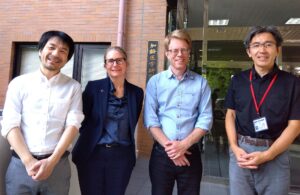
From left: Deputy Director Wei (IDAC), Lotta Lundqvist (KI), Associate Professor Per Nilsson (KI),
and Associate Professor Suzuki (International Strategy Office, IDAC)

Related Link

IDAC Signs Department-level Academic Exchange Agreement with NVS at Karolinska Institutet, Formalizing Productive Collaboration

IDAC Signs Department-level Academic Exchange Agreement with NVS at Karolinska Institutet, Formalizing Productive Collaboration

In August 2025, the Institute of Development, Aging and Cancer (IDAC) at Tohoku University signed a department-level academic exchange agreement with the Department of Neurobiology, Care Sciences and Society (NVS) at Karolinska Institutet (KI), Sweden.

This agreement builds upon years of academic interaction between the two institutions. The 2nd Joint Symposium, held on June 2–3, 2025, propelled the formalization of this agreement.

By establishing this formal framework, IDAC strengthens its role as an international research hub and enhances its partnership with Karolinska Institutet. This agreement marks a milestone in the deepening academic ties between the two institutions and is expected to promote further joint research initiatives and active exchanges of students and researchers.

【Contact】
General Affairs Section
Institute of Development, Aging and Cancer (IDAC), Tohoku University
Phone: +81-22-717-8443
E-mail: ida-pr-office*grp.tohoku.ac.jp (Please convert “*” into “@”.)

IDAC Seminar to commemorate the retirement of Professor Matsui (February 21, 2025)

IDAC Seminar to commemorate the retirement of Professor Matsui
Date Friday, 21  February 2025, 14:00~
Room International Conference Room, Center for Smart-Aging Research, 1F,(IDAC)、Web
Title What I see beyond the arrival point.
Speaker Professor Yasuhisa Matsuii
Affiliation Cell Resource Center for Biomedical Research,Institute of Development, Aging and Cancer, Tohoku University
Organizer Yohei Hayashi (Cell Resource Center for Biomedical Research・ext8571)

IDAC Seminar: Tuesday, 21 January 2025, 17:00~

Secretariat, Alumni Association, IDAC
DateTuesday, 21 January 2025, 17:00~
Room7th floor, Seminar Room (1), IDAC Center for Aging Research
TitleStructure and dynamics of molecular machineries regulating mitochondrial fission and fusion
SpeakerYuhei Araiso
AffiliationDivision of Health Sciences, Graduate School of Medicine, Kanazawa University
OrganizerHaruna Tani(Dept.Modomics Biology and Medicine, ext 8569)
AbstractMitochondrial homeostasis is critical for living cells and closely related to their morphologies. Their shape is finely tuned by molecular machineries controlling the membrane fission and fusion. Dynamin-related protein 1 (Drp1) is an intracellular GTPase that regulates mitochondrial fission. Drp1 is recruited to the mitochondrial outer membrane. Upon accumulating on the membrane surface, Drp1 oligomerizes to encircle along the mitochondrial outer membrane. Then, the Drp1 oligomer is thought to drive membrane fission depending on the GTP hydrolysis.
To elucidate the precise fission mechanism, we are attempting the real-time imaging of the molecular dynamics of Drp1 by high-speed atomic force microscopy (HS-AFM). The HS-AFM imaging clearly captured that the Drp1 dimer is recruited and forms an oligomer encircling the phospholipid membrane with GTP-dependent manner.

IDAC Seminar: Tuesday, 24  December 2024, 16:00~

Secretariat, Alumni Association, IDAC
Date Tuesday, 24 December 2024, 16:00~
Room 7th floor, Seminar Room (1), IDAC Center for Aging Research
Title Elucidating the Origin of Blood cells and the Role of Niche Driving Blood Malignancies
Speaker Feng Jue
Affiliation Assistant Professor
Department of Pharmacological Sciences
Icahn School of Medicine at Mount Sinai
Organizer Natsuko Chiba ( Department of Cancer Biology,ext.8477)
Abstract We study the mechanisms of normal and malignant hematopoiesis using innovative genetic tools and models. Our DNA barcoding system, “FlipJump,” combined with CITE-seq, tracks in vivo development of dendritic, lymphoid, and myeloid cells from hematopoietic stem cells (HSCs), revealing a shared origin for cDCs and pDCs from Cx3cr1+ progenitors and underscoring HSCs’ central role across hematopoietic lineages. Additionally, our gene-editing models show that deletions in the 9p21-syntenic locus lead to a fatal MDS/MPN-like disease, originating in the bone marrow (BM) stroma, with fibrosis and extra trabecular bones. These insights aim to inform new therapeutic strategies for hematologic disorders.
1. Jue Feng et al. Clonal barcoding of endogenous adult hematopoietic stem cells reveals a spectrum of lineage contributions. PNAS. 2024.
2. Jue Feng et al. Haplodeficiency of the 9p21 tumor suppressor locus causes myeloid disorders driven by the bone marrow microenvironment. Blood. 2023
3. Jue Feng et al. Clonal lineage tracing reveals shared origin of conventional and plasmacytoid dendritic cells. Immunity. 2022

IDAC Seminar: Thursday, 12 December 2024, 16:00~

Secretariat, Alumni Association, IDAC
Date Thursday, 12 December 2024, 16:00~
Room 7th floor, Seminar Room (1), IDAC Center for Aging Research
Title Epigenetic regulation of mouse sex determination
Speaker Prof. Makoto Tachibana
Affiliation Graduate School of Frontier Biosciences, Osaka University
Organizer Yohei Hayashi (Cell Resource Center for Biomedical Research, ext 8572)
Abstract In mammals, the expression of the sex-determining gene Sry on the Y chromosome during the fetal period determines the fate of sexually undifferentiated gonads to differentiate into testes (sex determination). In mice, Sry is expressed only in a small subset of somatic cells in the sexually undifferentiated gonads of 11.5-day post-fertilization embryos. The mechanism that underlies such temporally and cell-type specific expression of Sry had remained unknown We previously revealed that the removal of H3K9me2 by the histone demethylase KDM3A plays an essential role in the activation of mouse Sry. The removal of H3K9me2 by KDM3A requires ferrous iron (Fe2+). Recently, we discovered that genes involved in iron uptake and Fe2+ production are highly expressed in the gonadal somatic cells that express Sry. In this presentation, we will introduce our latest research findings on the role of iron metabolism in the epigenetic control of mouse sex determination.

IDAC Seminar: Friday, 6 December 2024, 16:00~ 17:00

Secretariat, Alumni Association, IDAC
Date Friday, 6 December 2024, 16:00~ 17:00
Room 7th floor, Seminar Room (1), IDAC Center for Aging Research
Title Dissecting the crosstalk of nutrient sensing, stress response signalling and immune evasion
Speaker Dr. Thales Papagiannakopoulos
Affiliation New York University Grossman School of Medicine
Organizer Akiko Ogawa (Dept. Modomics Biology and Medicine, ext 8569)
Abstract A common feature of many cancers is their ability to evade immune recognition, which is the primary reason for failure of many cancer therapies, including immune checkpoint inhibitors. Despite extensive efforts to characterize drivers of immune evasion, the underlying biological mechanisms remain poorly understood. Most cancers are characterized by a complex tumor microenvironment (TME) with restricted nutrient availability. To adapt to the metabolic limitations of the TME, tumor cells hijack multiple stress response pathways that can regulate many hallmarks of tumorigenesis including immune evasion. However, the mechanisms underlying metabolic adaptation, stress response pathway regulation and suppression of anti-tumor immune responses remain largely unknown.
   Using genetically engineered mouse models we are systematically dissecting the mechanisms by which stress response pathways promote tumor growth by reshaping the immune microenvironment. We observe that the major stress response transcription factors are required for the growth of tumors in an immunocompetent setting by suppressing T cell anti-cancer immune responses. Using CRISPR/Cas9 libraries focused against stress response signaling, we performed in vivo genetic screens to dissect the mechanisms driving immune evasion. Our results demonstrate that distinct tumor-derived stress response mediators are secreted and promote immune evasion and tumor progression. These data reveal a previously unidentified role of stress response signaling in suppressing anti-tumor immune responses. To target one of these newly identified secreted factors, we have generated novel blocking antibodies that display therapeutic efficacy. Overall, our studies shed light on the crosstalk of nutrient sensing, stress response signalling and immune surveillance.

Selected publications
1) Glutamine antagonist DRP-104 suppresses tumor growth and enhances response to checkpoint blockade in KEAP1 mutant lung cancer. Science Advances, 2024
2) The pleiotropic functions of reactive oxygen species in cancer. Nature Cancer, 2024 [Review]
3) EMSY inhibits homologous recombination repair and the interferon response,promoting lung cancer immune evasion. Cell, 2022

Key words: CRISPR/Cas9, Lung Cancer, mouse models, cancer, oxidative stress, metabolism, circadian rhythms, cancer, NRF2, KEAP1, GEMM, Systemic Physiology, Tumor Immunology

IDAC Seminar: Monday, 9  December 2024, 16:00~

Secretariat, Alumni Association, IDAC
Date Monday, 9  December 2024, 16:00~
Room 7th floor, Seminar Room (1), IDAC Center for Aging Research
Title Lymphocyte Proliferation and Differentiation, Insights into Lymphomagenesis and T Cell Exhaustion
Speaker Takeshi Egawa, MD, PhD (Professor of Pathology and Immunology)
Affiliation Department of Pathology and Immunology, Washington University School of Medicine, St. Louis, USA
Organizer Yasuhisa Matsui (Cell Resource Center for Biomedical Research, ext.8571)
Akiko Satoh (Department of Integrative Physiology, ext.8544)
Abstract Lymphocytes are capable of robust expansion upon antigen receptor stimulation and are one of the most rapidly dividing cells in postnatal organisms. Such robust proliferative capacity is critical for establishing broad antigen receptor repertoires during development and for quantitatively amplifying antigen-specific immunity upon pathogen invasion. However, like many other primary cells, they have limited proliferative capacity as expanding lymphocytes undergo terminal differentiation with transient functionality at the expense of their longevity. Such transition of an undifferentiated progenitor cell to more mature states following a proliferative burst is seen at several checkpoints during the development of lymphocytes as well as other cell types. We predict that such cell differentiation or loss of the progenitor states is a process controlled by gene regulatory circuitry closely associated with rapid cell proliferation although the molecular basis remains undefined. Furthermore, the maintenance of population dynamics rather than the size of each population, by generating newly differentiated cells, may be fundamental for sustaining functionality of a specific cell population. We have been studying the biological significance of the tight coupling of the restriction of cell stemness with cell proliferation, potential manipulation to overcome the restriction, and consequences of perturbed population turnover in lymphocytes. I will discuss these questions in the context of gene regulatory networks initiated by the transcription factor c-MYC, tumor suppression and T cell exhaustion.

References:
1. Tonc E, Takeuchi Y, Chou C, Xia Y, Holmgren M, Fujii C, Raju S, Chang GS, Iwamoto M, Egawa T: Unexpected suppression of tumorigenesis by c-MYC via TFAP4-dependent restriction of stemness in B lymphocytes. Blood, 2021, 138: 2526-2538. doi: 10.1182/blood.2021011711. PMID:34283887. PMCID: PMC8678995.
2. Daniel B*, Yost KE*, Hsiung S*, Sandor K, Xia Y, Qi Y, Hiam-Galvez KJ, Black M, Raposo C, Shi Q, Meier SL, Belk JA, Giles JR, Wherry EJ, Chang HY**, Egawa T**, Satpathy AT**. (*co-first authors, **co-senior authors). Divergent clonal differentiation trajectories of T cell exhaustion. Nat Immunol, 2022, 23: 1614-1627. doi: 10.1038/s41590-022-01337-5. PMID: 36289450.
3. Hsiung S, Raju S, Liu TT, Raposo CJ, Murphy MK, Wang Z, Satpathy AT, Murphy KM, Egawa T: Cell competition protects CD8 + T cells from terminal exhaustion, Manuscript under revision.

International Recruitment for Professorship at the Institute of Development, Aging and Cancer, Tohoku University

Number of positions: Professor, 1 position open
Application Deadline: September 30, 2025 (Japan Standard Time)

Application Guidelines

CV_template

Research Achievement Template

Where to submit documents and for inquiries: General Affairs Section, Institute of Development, Aging and Cancer, Tohoku University
Tel: 022-717-8442
E-mail: ida-selection*grp.tohoku.ac.jp (replace * with @)

Recruitment: Tenure-track Associate Professor or Assistant Professor, 2 positions open

Number of positions: Tenure Track Assistant or Associate Professor, 2 positions open
Application Deadline: July 11, 2025 (Fri) 17:00 JST

Application Guidelines

Research Achievement Template

CV_template

Where to submit documents and for inquiries: General Affairs Section, Institute of Development, Aging and Cancer, Tohoku University
Tel: 022-717-8442
E-mail: application*idac.tohoku.ac.jp (replace * with @)

IDAC Seminar: Monday, 11 November 2024, 17:00~18:00

Secretariat, Alumni Association, IDAC
Date Monday, 11 November 2024, 17:00~18:00
Room 7th floor, Seminar Room 1, IDAC Center for Basic Aging Research
Title An Omics Approach to Drug Discovery
Speaker Liron Bar-Peled
Affiliation Harvard University
Organizer FANYAN WEI (Dept. Modomics Biology and Medicine, ext.8562)
Abstract Cysteine-focused chemical proteomic platforms have accelerated the clinical development of covalent inhibitors of a wide-range of targets in cancer. However, how different oncogenic contexts influence cysteine targeting remains unknown. To address this question, we have developed DrugMap, an atlas of cysteine ligandability compiled across 416 cancer cell lines. We unexpectedly find that cysteine ligandability varies across cancer cell lines, and we attribute this to differences in cellular redox states, protein conformational changes, and genetic mutations. Leveraging these findings, we identify actionable cysteines in NFκB1 and SOX10 and develop corresponding covalent ligands that block the activity of these transcription factors. We demonstrate that the NFkB1 probe blocks DNA binding, whereas the SOX10 ligand increases SOX10-SOX10 interactions and disrupts melanoma transcriptional signaling. Our findings reveal heterogeneity in cysteine ligandability across cancers, pinpoint cell-intrinsic features driving cysteine targeting, and illustrate the use of covalent probes to disrupt oncogenic transcription factor activity.

IDAC Seminar: Monday, 18  November 2024, 16:00~

Secretariat, Alumni Association, IDAC
Date Monday, 18 November 2024, 16:00~
Room 7th floor, Seminar Room 1, IDAC Center for Basic Aging Research
Title Beyond NAD World 3.0
Multi-Layered Inter-Organ Communications between the Hypothalamus and Peripheral Tissues in Mammalian Aging and Longevity Control
Speaker Shin-ichiro Imai, MD, PhD Theodore and Bertha Bryan Distinguished Professor in Environmental Medicine
Affiliation Department of Developmental Biology, Department of Medicine (Joint) Washington University School of Medicine, St. Louis, USA
Organizer Akiko Satoh (Department of Integrative Physiology, ext.8544)
Abstract In mammals, we have demonstrated that the inter-organ communication between the hypothalamus and white adipose tissue (WAT) plays a critical role in counteracting aging and promoting longevity (Yoshida et al., 2019; Tokizane et al., 2024). This inter-organ communication is mediated by a specific neural population in the dorsomedial hypothalamus (DMH), named DMHPpp1r17 neurons, and extracellular nicotinamide phosphoribosyltrasferase, the rate-limiting NAD+ biosynthetic enzyme in mammals, which are encapsulated in extracellular vesicles and secreted from WAT (eNAMPT-EVs). With these findings, we have reformulated the “NAD World” concept to the next version, NAD World 3.0, in which we speculate that several multi-layered feedback loops between the hypothalamus and peripheral tissues are the core machinery for mammalian aging and longevity control. We have recently identified a novel myokine that mediates another inter-organ communication between skeletal muscle and the hypothalamus and promotes longevity in mice. All these new findings demonstrate the importance of multi-layered inter-organ communications between the hypothalamus and peripheral tissues in mammalian aging and longevity control. Based on such systemic understanding of aging and longevity control, a new anti-aging intervention will be proposed.

IDAC Seminar: Tuesday, 10 September 2024, 16:00~

Secretariat, Alumni Association, IDAC
Date Tuesday, 10 September 2024, 16:00~
Room 7th floor, Seminar Room 1, IDAC Center for Basic Aging Research
Title Cell biological mechanisms of egg aneuploidy
Speaker Tomoya Kitajima
Affiliation Laboratory for Chromosome Segregation, RIKEN Center for Biosystems Dynamics Research (BDR)
Organizer Kozo Tanaka (Department of Molecular Oncology, ext 8491)
Abstract Egg aneuploidy in relatively small chromosomes is a major cause of pregnancy loss and congenital diseases such as Down syndrome. Egg aneuploidy is produced by meiotic chromosome segregation errors in oocytes. Oocytes exhibit errors more frequently than other cell types, and the error rate increases with age. Interestingly, smaller chromosomes are more error prone in aged oocytes, but the underlying mechanisms are poorly understood. We have recently established a ‘chromosome identifying-and-tracking’ technique throughout meiosis in live mouse oocytes. Quantitative analysis showed that smaller chromosomes are preferentially located in the inner region of the spindle equator. In aged oocytes, this interior positioning facilitates premature chromosome separation, thereby increasing a risk of chromosome segregation errors. We would like to discuss our recent development of artificial kinetochores, which may provide a technical basis to prevent egg aneuploidy.

IDAC Seminar: Wednesday, 7 August 2024, 10:30~11:30

Secretariat, Alumni Association, IDAC
Date Wednesday, 7 August 2024, 10:30~11:30
Room 7th Floor, Large-size Conference Room, IDAC Center for Basic Aging Research
Title Ultrafast high frequency ultrasound blood flow imaging for pre-clinical and clinical applications
Speaker Professor Chih-Chung Huang
Affiliation National Cheng Kung University, Department of Biomedical Engineering, Taiwan
Organizer Tomoyuki Yambe (Department of Medical Engineering and Cardiology/Department of Pre-Clinical Evaluation, ext 8517)
Tasuyuki Shiraisi (Department of Pre-Clinical Evaluation, ext 8517)
Abstract To date, the operational frequency of the ultrafast ultrasound imaging is around 2 to 18 MHz, which provides sufficient image resolution with an appropriate imaging depth for clinical applications. However, the spatial resolution of ultrasound imaging can be improved by using high frequency ultrasound imaging (HFUS, >30 MHz), for example, 50 MHz ultrasound imaging provides lateral and axial resolutions of 100 and 20 μm, respectively. Recently, single element and array transducers HFUS imaging systems are commercially available at a center frequency up to 50 MHz. However, the HFUS with an ultrafast imaging ability is still lacking currently.
In this talk, ultrafast HFUS imaging combining a high frequency array transducer (~40 MHz) with a programmable ultrasound imaging has been proposed. Due to the high imaging resolution ability of HFUS, this ultrafast HFUS imaging is suitable for superficial tissue imaging of human and small animal for gene research and cancer studies. Therefore, high-resolution ultrasound elastography and super resolution blood flow imaging without micro-bubble are currently available for biomedical applications, such as high resolution elastography for human cornea, skin, hand tendon, and mouse brain as well as super resolution blood flow imaging for small animal applications in nerve, brain, heart, and kidney.

IDAC Seminar: Thursday, 18 July 2024, 15:30~16:30

Secretariat, Alumni Association, IDAC
Date Thursday, 18 July 2024, 15:30~16:30
Room 7th floor, Seminar Room 1, IDAC Center for Basic Aging Research
Title Experiences in Clinical Practice, Basic Research, and Medical Device Development in Japan and US.
Speaker Naoki Kaneko, M.D., Ph.D.
Affiliation Division of Interventional Neuroradiology, Ronald Reagan UCLA Medical Center
Organizer Yasuyuki Taki (Dept.of Aging Research and Geriatric Medicine・ext8559)
Yasuko Tatewaki (Dept.of Aging Research and Geriatric Medicine・ext8559)
Abstract In this seminar, I will share my experiences accumulated over the years as a physician, researcher, and medical device developer in Japan and the United States, following my graduation from the Tohoku University in 2004. Clinically, I completed my initial training in Sendai, followed by residencies at Tohoku and Jichi Medical Universities, where I specialized in neurosurgery and neuroendovascular therapy. I currently serve as an attending physician in the interventional neuroradiology division at UCLA. My research began as a research fellow at Albert Einstein College of Medicine, where I studied global cerebral ischemia in rats. Now, I am the Principal Investigator at UCLA, focusing on cerebral aneurysms and ischemic stroke. Additionally, I have been involved in the development of minimally invasive devices in both Japan and the U.S., and currently consult for over 20 companies. This seminar will explore the differences between the U.S. and Japan in these fields and share lessons learned from these experiences.

IDAC Seminar: Monday, 3 June 2024, 16:00~

Secretariat, Alumni Association, IDAC
Date Monday, 3 June 2024, 16:00~
Room 7th floor, Seminar Room 1, IDAC Center for Basic Aging Research
Title Molecular function/regulation of Chromosomal SUMOylation in mitosis for accurate genome transmission.
Speaker Yoshiaki Azuma
Affiliation Department of Molecular Biosciences, University of Kansas
Organizer Kozo Tanaka (Department of Molecular Oncology, ext 8491)
Abstract Chromosome segregation during mitosis is a fundamental process in which the replicated genome is evenly inherited by two daughter cells. Post-translational modification by SUMO (SUMOylation) has shown to be essential for this genome transmission process in eukaryotes as such either inhibition of SUMOylation or deSUMOylation in mitosis causes mis-segregation of chromosomes. Many chromosomal proteins were identified as mitotic chromosomal SUMOylated proteins, including DNA Topoisomerase IIα (TopoIIα) and several CENPs. Currently, assembly of protein complex composed with SUMOylated protein and SUMO-interacting motif (SIM) containing proteins is proposed to be a major role of SUMOylation, the molecular function of the SUMOylation of each target proteins are still under investigation. This presentation, I will discuss our finding for molecular functions of mitotic SUMOylation on chromosome segregation by focusing its role on regulation of mitotic checkpoint activities and potential novel regulation by SUMO-targeting remodeling enzyme.

IDAC Seminar: Thursday, 6 June 2024, 15:00~

Secretariat, Alumni Association, IDAC
Date Thursday, 6 June 2024, 15:00~
Room Institute of Development, Aging and Cancer, 7th floor, Seminar Room 1
Title A long non-coding enhancerRNA forms DNA:RNA hybrid R-loops to shape emotional experience-induced behavioral adaptation.
Speaker TANIGUCHI Makoto
Affiliation Medical University of South Carolina, USA
Organizer Fan-Yan Wei (Dept. Modomics Biology and Medicine, ext 8562)
Abstract Emotional experiences often evoke neural plasticity that supports adaptive changes in behavior, including maladaptive plasticity associated with mood and substance use disorders. These adaptations are supported in part by experience-dependent activation of immediate-early response genes, such as Npas4. We discovered that a conserved, long non-coding enhancer RNA (lnc-eRNA) transcribed from an activity-sensitive enhancer produces RNA:DNA hybrid R-loop structures that support 3D chromatin-looping of the enhancer and proximal promoter and stimulus-induced, rapid Npas4 gene induction. We also show that this Npas4 lnc-eRNA is required for the development of behavioral adaptations produced by chronic psychosocial stress or cocaine exposure, revealing a critical role for this new genomic regulatory mechanism in the transmission of emotional experiences, such as stress or drug use, to adaptive behavioral responses.

Unveiling ceremony of the memorial display stand of the former Research Institute for Tuberculosis and Cancer (also formerly known as the Research Institute for Tuberculosis and Leprosy).

On October 30 (Wednesday) 2024, an unveiling ceremony was held at the main entrance of IDAC’s Center for Clinical Aging Research to showcase a display stand of the former Research Institute for Tuberculosis and Cancer (also formerly known as the Research Institute for Tuberculosis and Leprosy), which is now the Institute of Development, Aging and Cancer (IDAC).
The Research Institute for Tuberculosis and Cancer, was founded in 1941 by the late Dr. Taizo KUMAGAI as its first director with the purpose to eradicate tuberculosis, which was a national disease at the time. When the Institute was established, it was the second Research Institute of Tohoku University with the purpose of overcoming leprosy and tuberculosis, with departments in three different disciplines: Internal Medicine, Leprosy and Pathological Anatomy.
Dr. Taizo KUMAGAI conducted research and treatment at both the institute and Sendai Kousei Hospital, which was established in Hirose-machi, Aoba-ku. In May of this year, Sendai Kousei Hospital moved to Amemiya-machi, Aoba-ku, and as part of the relocation of the memorial that was originally set at Sendai Kousei Hospital has now been moved to IDAC to be exhibited as part of IDAC’s achievements for future generations.
At the unveiling ceremony, IDAC’s current Director Kozo TANAKA gave a speech and explained the circumstances surrounding the relocation, followed by the unveiling of the exhibition stand.


▲ Director Tanaka giving a speech at the unveiling ceremony.


▲ Commemorative photo taken in front of the exhibition stand.


▲ Memories of the former Research Institute for Tuberculosis and Cancer.

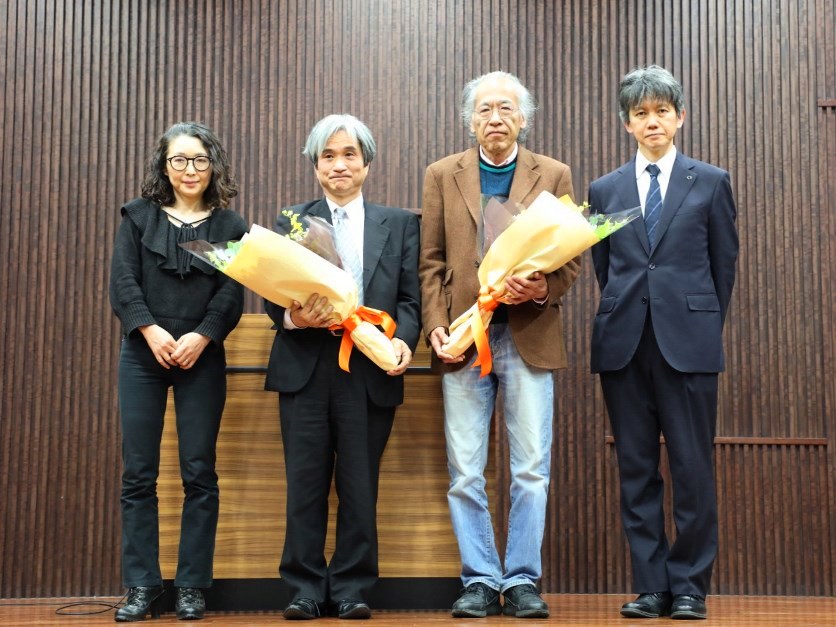
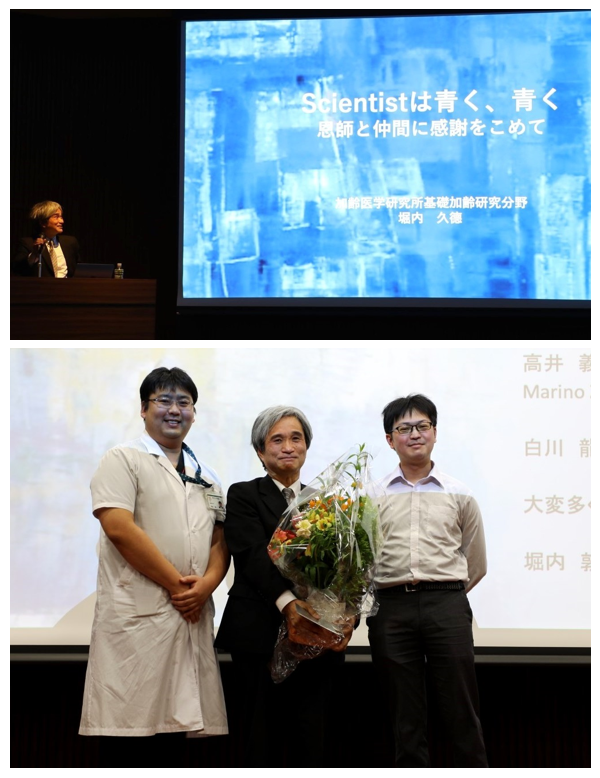
A farewell ceremony was held for the retirement of IDAC’s Professor Toshihiko OGURA and Professor Hisanori HORIUCHI

On March 14 (Thursday) 2024, IDAC held a farewell ceremony for Professor Toshihiko OGURA (Dept. of Developmental Neurobiology) and Professor Hisanori HORIUCHI (Dept. of Molecular and Cellular Biology) at IDAC’s International Conference Room, Center for Smart-Aging Research, 1F. Both Professors will retire from their tenure on March 31, 2024.