
| Secretariat, Alumni Association, IDAC | |
| Date | Tuesday, 3 April 2018, 16:00~18:00 |
|---|---|
| Room | 7th Floor, Seminar Room 1, Center for Basic Aging Research, IDAC |
| Title | 1. The role of extracellular metabolites in cancer 2. Uncovering metabolic bottlenecks in lung cancer |
| Speaker | 1. 16:00-17:00 Carlos Carmona-Fontaine 2. 17:00-18:00 Thales Papagiannakopoulos |
| Affiliation | 1. Center for Genomics and Systems Biology, New York University 2. Department of Pathology, New York University Medical School |
| Organizer | Hozumi Motohashi (Dept. of Gene Expression Regulation・ext 8550) |
| Abstract | 1. The Allee effect, named in honor of ecologist W. Allee, is a cornerstone in evolutionary theory that explains why in cooperative societies individual fitness depends on the population size. This key concept has been theorized to be important in cancer but we lack empirical models. Using our expertise in quantitative experiments and mathematical modeling we developed a new system where we show that cancer cells need to cooperate in order to survive and grow under nutrient scarcity. A central observation in our data is that sparse tumor cells populations are more susceptible to nutrient starvation and will go extinct unless they reach critical density levels. We unveil a novel cooperative mechanism by which cells collectively digest extracellular peptides generating free amino acids that accumulate outside cells and become a shared resource. Consistent with the Allee effect, this collective strategy is only effective when cell density is high because low density populations die before accumulating meaningful levels of free amino acids. We determined that this digestion is mediated by membrane-bound aminopeptidases and meta-analysis of TCGA data reveals that this enzyme family is upregulated across virtually all cancers. We propose that the sharing of metabolic resources is a wide spread, growth-factor independent, form of cell cooperation and that it is key to our understanding of tumor growth and malignancy.
2. Cancer is a multistep process that involves alterations in cell autonomous and non-cell autonomous events that are modulated by metabolic factors. During tumorigenesis cancer cells continuously encounter metabolic bottlenecks as a result of accelerated growth, overall increased metabolic demand and increased oxidative stress due to the formation of reactive oxygen species. Our laboratory investigates how genetic alterations in metabolic pathways, which are mutated in a large subset of lung cancers, promote tumor initiation and progression by rewiring cell autonomous and non-cell autonomous metabolic pathways and enable cancer cells to overcome metabolic bottlenecks. We use a combination of genetically-engineered mouse models, an accelerated CRISPR/Cas9-based experimental platform and biochemical approaches to identify metabolic liabilities that can be exploited using novel targeted therapies. |
Author: superuser_1
IDAC Seminar: March 22, 2018
| Secretariat, Alumni Association, IDAC | |
| Date | Thursday, March 22, 2018 (17:00 – 18:00) |
|---|---|
| Room | 7th Floor, Seminar Room 1, Center for Basic Aging Research, IDAC |
| Title | Quantitative analysis of diffusion MRI of the brain |
| Speaker | Keigo Simoji |
| Affiliation | Tokyo Metropolitan Geriatric Hospital |
| Organizer | Yasuyuki Taki (Department of Nuclear Medicine and Radiology Division of Medical Neuroimaging Analysis Department of Community Medical Supports Tohoku Medical Megabank Organization) (Contact : Yasuko Tatewaki, Department of Nuclear Medicine and Radiology・ext 8559) |
| Abstract | Diffusion magnetic resonance imaging (dMRI) is the only noninvasive technique that can identify and quantify white matter tracts by evaluating the diffusion of water in biological tissues. Neurite orientation dispersion and density imaging is an advanced diffusion imaging technique that provides additional information on tissue microstructure, including intracellular volume fraction. While association fibers are bundles of axons within the brain that unite different parts of the same cerebral hemisphere, projection fibers are bundles of axons that unite the cortex with the lower parts of the brain and the spinal cord. Moreover, the commissural fibers are axon bundles that connect the two hemispheres of the brain. Quantitative analysis of dMRI can be roughly classified into three types: 1) region of interest analysis, 2) tract-specific analysis, and 3) fully automated hypothesis free whole brain analysis. TBSS is a new approach that uses an anatomically based, nonlinear registration procedure to project results onto an alignment-invariant tract representation. Reproducibility of image statistical analysis is improved by automatic analysis that can eliminate complicated and error-prone manual work. Brain image statistical analysis can be efficiently advanced with a script optimized for one’s own machine environment. |
IDAC Seminar: March 14, 2018
| Secretariat, Alumni Association, IDAC | |
| Date | Wednesday, March 14, 2018 (17:00 – onwards) |
|---|---|
| Room | 7th Floor, Seminar Room 1, Center for Basic Aging Research, IDAC |
| Title | Nutrient sensing mechanisms that mediate lifespan extension |
| Speaker | T. Keith Blackwell |
| Affiliation | Joslin Diabetes Center and Harvard Medical School Department of Geneticsical Sciences, Kumamoto University |
| Organizer | Hozumi Motohashi (Department of Gene Expression Regulation・ext 8550) |
| Abstract | Eukaryotic lifespans can be extended when nutrient or growth-related signaling is reduced. The mTORC1 (mechanistic target of rapamycin) kinase integrates nutrient and anabolic signals to regulate growth. Lower mTORC1 activity extends lifespan, and is central to the benefits of dietary restriction (DR). Reduced insulin/IGF-1 signaling (rIIS) also extends lifespan, from C. elegans to mammals.
mTORC1 drives protein synthesis, but our understanding of how it might control other growth-related processes is limited. Using a systems biology approach, we have determined that mTORC1 broadly regulates mRNA splicing. Through this evolutionary conserved pathway, mTORC1 extends its regulation of protein synthesis, and expands its reach to control many other growth and metabolism parameters. Our findings illuminate how mTORC1 influences growth, development, disease, and the maintenance of gene expression fidelity during aging. We find in C. elegans that another key element in DR is modulation of a conserved innate immunity pathway that is controlled by p38 signaling. This essential immunometabolic pathway responds to nutrients as well as pathogens, and must be down-regulated for lifespan extension from DR or reduced IIS (rIIS). Unexpectedly, through tissue-non-autonomous action of the DAF-16/FOXO transcription factor, rIIS decreases feeding, and induces a DR-like state that lowers immune activity. Our findings predict that nutrient regulation of immunity will be important for longevity in higher organisms, and reveal an unexpected appetite regulatory function of FOXO. |
IDAC Seminar to commemorate the retirement of Professor Watanabe: March 12, 2018
| IDAC Seminar to commemorate the retirement of Professor Watanabe | |
| Date | Monday, 12 March 2018, 16:00 – onwards |
|---|---|
| Room | Smart Aging International Research Center 1F, IDAC |
| Title | A look back at my clinical study in IDAC, Tohoku University |
| Speaker | Akira Watanabe |
| Affiliation | Research Division for Development of Anti-Infective Agents, Institute of Development, Aging and Cancer, Tohoku University |
| Contact Information | Tomoko Ito (Dept. Research Division for Development of Anti-Infective Agents・ext-8540) |
IDAC Seminar: January 18, 2018
| Secretariat, Alumni Association, IDAC | |
| Date | Thursday, January 18, 2018 (17:00 – onward) |
|---|---|
| Room | 7th Floor, Seminar Room 1, Center for Basic Aging Research, IDAC |
| Title | Amyloid Detection on MRI and Its Point of Issue. |
| Speaker | Tetsuya YONEDA |
| Affiliation | Department of Medical Physics in Advanced Biomedical Sciences, Kumamoto University |
| Organizer | Yasuko Tatewaki (Department of Nuclear Medicine and Radiology・ext 8559) |
| Abstract | It is highly expected a development and implementation of amyloid-beta (Ab) detection on MRI for clinical and preventive assessment of Alzheimer’s disease (AD). To realize this, iron in the Ab is a key to detect Ab because of its strong magnetism. The magnetisms of biological materials such as iron in the Ab effectively influence the signal of T2WI, T2*WI and phase image. Among them, Phase signal is the most sensitive signal of MRI, and therefore, we may reasonably expect Ab is to be detected on phase image. In this seminar, recent works to detect Ab on MRI with various methods are to be introduced, and we discuss a phase imaging technique so called Phase Difference Enhance Imaging (PADRE) for high accurate Ab detection and point of issue of future application for AD image diagnosis. |
IDAC Seminar: December 13, 2017
| Secretariat, Alumni Association, IDAC | |
| Date | Wednesday, December 13, 2017, 17:00 to 18:00 |
|---|---|
| Room | 7th Floor, Seminar Room 1, IDAC Center for Basic Aging Research |
| Title | Platform for the comprehensive analysis of familial hemophagocytic lymphohistiocytosis type 3. |
| Speaker | Yasumi Takahiro |
| Affiliation | Graduate School of Medicine Kyoto University |
| Organizer | Horiuchi Hisanori (Dept. of Molecular and Cellular Biology・ext-8463) |
IDAC Seminar: December 4, 2017
| Secretariat, Alumni Association, IDAC | |
| Date | Monday, December 4, 2017, 17:00 – onward |
|---|---|
| Room | Lecture Room 2, School of Medicine Building 1, 1F |
| Title | Don’t misbehave: reprogramming cell fates in the regulation of stem cells and cancer |
| Speaker | Takahiro Ito |
| Affiliation | Department of Biochemistry & Molecular Biology, University of Georgia |
| Organizer | Hozumi Motohashi (Dept. of Gene Expression Regulation, ext. 8550) |
| Abstract | Stem cells and cancer share a characteristic ability of self-renewal, which is essential for long-term maintenance of both cell types in vivo. Similar to a hierarchy of stem and progenitor cells in normal tissues, many types of tumors are maintained by a population of self-renewing cancer cells while the bulk of the tumor is consisted of more differentiated cells with no or limited renewal activity. The self-renewing cancer cells, or cancer stem cells, are often resistant to conventional therapies and thereby mediate tumor relapse. With the ability to self-renew and propagate the tumor, cancer stem cells also contribute to metastasis and disease progression to a more aggressive, often fatal, disease phase. Therefore, regulatory mechanisms of stem cell fates have emerged as one of the promising areas for targeted cancer therapies. Nonetheless, the basic biology of self-renewal remains to be elucidated. We are particularly interested in the cell fate regulatory circuits governed by RNA binding proteins and cell metabolism, and I would like to discuss recent findings from our and other labs on how these factors maintain self-renewal potential and contribute to cancer development in myeloid leukemia. |
IDAC Seminar: November 22, 2017
| Secretariat, Alumni Association, IDAC | |
| Date | Wednesday, November 22, 2017, 16:30 to 18:00 |
|---|---|
| Room | 7th Floor, Seminar Room 1, IDAC Center for Basic Aging Research |
| Title | 1. 16:30 to 17:15 Maintenance of epithelial barrier. 2. 17:15 to 18:00 Role of nardilysin, a metallopeptidase with multifaceted functions, in metabolism and inflammation. |
| Speaker | 1. Higashi Tomohito 2. Nishi Eiichiro |
| Affiliation | 1. Fukushima Medical University 2. Shiga University of Medical Science |
| Organizer | Horiuchi Hisanori (Dept. of Molecular and Cellular Biology・ext 8043) |
IDAC Seminar: September 13, 2017
| Secretariat, Alumni Association, IDAC | |
| Date | Wednesday, September 13, 2017 (17:00 – onward) |
|---|---|
| Room | Seminar Room 1, IDAC Center for Basic Aging Research 7F |
| Title | Ad4BP contribution to metabolism in steroidogenic cells |
| Speaker | Ken-ichirou Morohashi |
| Affiliation | Graduate School of Medical Sciences/Graduate School of Systems Life Sciences, Kyushu University |
| Organizer | Hozumi Motohashi (Dept. Gene Expression Regulation ext.8550) |
IDAC Seminar: September 4, 2017
| Secretariat, Alumni Association, IDAC | |
| Date | Monday, September 4, 2017 (17:00 – onward) |
|---|---|
| Room | Medium-size Conference Room, IDAC Center for Clinical Aging Research 1F |
| Title | T cell repertoire selection in the thymus |
| Speaker | Takeshi Nitta |
| Affiliation | Dept. of Immunology, Graduate School of Medicine, The University of Tokyo |
| Organizer | Koetsu Ogasawara (Department of Immunobiology ext.8579) |
| Abstract | The thymus is an organ for T cell repertoire selection. Cortical thymic epithelial cells possess unique protein degradation machinery such as thymoproteasome, which produces a unique set of MHC-bound self-peptides and thereby control positive selection of T cells. Here we found that human PSMB11 gene, which encodes a thymmoproteasome subunit, has many ‘loss-of-function’ variations at high frequency. These PSMB11 variations alter the CD8 T cell selection in mice, and one of them is associated with a risk of an autoimmune disease in human. Our findings suggest that, in addition to the MHC haplotype, antigen peptide-processing variation exerts a significant influence on T cell repertoire selection and disease susceptibility. |
IDAC Seminar: July 27, 2017
| Secretariat, Alumni Association, IDAC | |
| Date | Thursday, July 27, 2017 (17:30 – onward) |
|---|---|
| Room | 4th Floor, Seminar Room, Center for Smart Aging Research, IDAC |
| Title | What happens if Reactive Oxygen Species are reduced? Basic and clinical data. |
| Speaker | Prof. Haruhiko Inufusa, MD, PhD |
| Affiliation | Life Science Research Center, Gifu University |
| Organizer | Tatsushi Mutoh, MD, DVM, PhD (Department of Nuclear Medicine and Radiology・ext 8559) |
| Abstract | Reactive Oxygen Species (ROS) are closely related with over 150 disease. Twendee X (TWX) consists with CoQ10, Vitamin C, Riboflavin, L-Glutamine, Cystine, Succinic acid, Fumaric acid, and Niacin. TWX reduces ROS and has been patented. Japanese Association for Dementia Prevention starts its clinical study of TWX to treat dementia candidates from July 2017. Basic animal experiments results and clinical data for diabetes, liver dysfunction, Basedow, and others will be presented. |
IDAC Seminar: July 26, 2017
| Secretariat, Alumni Association, IDAC | |
| Date | Wednesday, July 26, 2017 (16:00 to 18:00) |
|---|---|
| Room | 7th Floor, Seminar Room 1, IDAC Center for Basic Aging Research |
| Title | Core Mediator structure at 3.4 Å extends transcription initiation complex model |
| Speaker | Kayo Nozawa |
| Affiliation | Max-Planck-Institute |
| Organizer | Toshihiko Ogura Dept. Developmental Neurobiology Contact: Mariko Yoshida ・ext 8564 |
| Abstract | Mediator is a multi-sub unit co-activator of eukaryotic transcription that directly connects activator which is bound to regulatory DNA elements with RNA polymerase II. The Mediator system is conserved across the eukaryotic kingdom and is required for the majority of protein coding gene expression. In yeast, Mediator comprises 25 sub units with a total mass of ~1.4 MDa and is organized into four modules called the head, middle, tail and kinase. The head and middle modules form the essential cMed, whereas the tail and kinase modules play regulatory roles. Here, we report on the crystal structure of the 15-subunit core Mediator (cMed) at 3.4 Å resolution. These results provide a framework for understanding Mediator function in the transcription pre-initiation complex (PIC). |
148th IDAC Bi-Annual Meeting

July 14, 2017 from 13:00 – onward at the 1st Floor, Center for Smart Aging Research, IDAC
Schedule of events:
13:00
Opening remarks by Director Ryuta Kawashima, MD
13:05-14:35
Sessions 1-6
Session 1: Development of personalized effective dosimetry for radiation risk assessment and clinical applications.
Hisanori Fukunaga(1,2,3) Akinari Yokoya(2) Yasuyuki Taki(3) and Kevin M. Prise(1)
(1) Centre for Cancer Research and Cell Biology, Queen’s University Belfast, UK.
(2) Tokai Quantum Beam Science Center, National Institutes for Quantum and Radiological Science and Technology, Tokai, Ibaraki, Japan.
(3) Department of Nuclear Medicine and Radiology, IDAC, Tohoku University, Sendai, Japan
Session 2: Repression of somatic developmental genes by selective recruitment of HDAC3 by BLIMP1 is essential for mouse primordial germ cell fate determination.
Kentaro Mochizuki(1,2,5) Tamotsu Sekinaka(1,2,5) Kei Otsuka(1) Yumi Ito-Matsuoka (1) Hisato Kobayashi(3,5)Tomohiro Kono(4,5) and Yasuhisa Matsui(1,2,5,6)
(1) Cell Resource Center for Biomedical Research, IDAC, Tohoku University.
(2) Graduate School of Life Sciences, Tohoku University.
(3) NODAI Genome Research Center,Tokyo University of Agriculture.
(4) Department of BioScience, Tokyo University of Agriculture.
(5) Japan Agency for Medical Research and Development, Core Research for Evolutional Science and Technology (AMED-CREST).
(6) Center for Regulatory Epigenome and Diseases, Tohoku University School of Medicine.
Session 3: Decoding satisfaction level of conversation from inter-subject correlation of resting-state networks.
Shigeyuki Ikeda(1) Hyeonjeong Jeong(2) Yukako Sasaki(3) Kohei Sakaki(3) Shohei Yamazaki(2) Takayuki Nozawa(1) Ryuta Kawashima(1,3)
(1) Department of Ubiquitous Sensing, IDAC, Tohoku University
(2) Department of Human Brain Science, IDAC, Tohoku University
(3) Department of Advanced Brain Science, IDAC, Tohoku University
Session 4: BRCA1-interacting protein OLA1 regulates centrosome amplification induced by DNA damage.
Zhenzhou Fang, Huicheng Qi, Yuki Yoshino, Akihiro Kobayashi, Kazune Ohashi, Kazuha Shibdo, Natsuko Chiba
Department of Cancer Biology, IDAC, Tohoku University.
Session 5: Novel immunological approach for the treatment of metal allergy
Koyu Ito, Yoshiko Suto, Madoka Itabashi, Kouetu Ogasawara
Department of Immunobiology, IDAC, Tohoku University
Session 6: Do visual processes influence the accuracy of reading?
Yutaka Matsuzaki(1) Akihiro Kawasaki(2) Tomohito Okumura(3) Yuko Ogino(2,4) Makoto Nakanishi(3)
(1) Division of Developmental Cognitive Neuroscience, IDAC, Tohoku University, Japan.
(2) Graduate School of Education, Tohoku University, Japan
(3) LD center, Osaka Medical College, Japan
(4) Yokohama Western Area Habilitation center For Children, Japan
14:35-14:50
BREAK
14:50-16:05
Sessions 7-11
Session 7: Testing gaze bias generality with preference judgments by healthy young and older adults.
Toshiki Saito(1) Rui Nouchi(1,2,3) Hikari Kinjo(4) Ryuta Kawashima(1)
(1) Division of Advanced Brain Science, IDAC, Tohoku University, Japan
(2) Creative Interdisciplinary Research Division, Frontier Research Institute for Interdisciplinary Science (FRIS), Tohoku University, Japan
(3) Human and Social Response Research Division, International Research Institute of Disaster Science, Tohoku University, Japan
(4) Faculty of Psychology, Department of Psychology, Meiji Gakuin University, Tokyo, Japan
Session 8: Afterload effects of Endovascular aortic stents on left ventricular function.
Tomoya Arakawa(1) Yasuyuki Shiraishi(2) Yusuke Tsuboko(3) Tomohiro Takano(4) Masumi Takano(4) Tomoyuki Yambe(5)
(1) Graduate School of Biomedical Engineering, Tohoku University
(2) Department of Pre-Clinical Evaluation 3TWIns, Waseda University
(4) Fukushima Medical University
(5) Department of Medical Engineering and Cardiology, IDAC, Tohoku University
Session 9: Biomechanical Engineering Approach for an Implantable Artificial Esophageal Stent.
Yasunori Taira(1) Yasuyuki Shiraishi(2) Yusuke Inoue(1) Akihiro Yamada(1) Tomoya Arakawa(3) Mitsuru Yuba(3) Masato Karube(3) Tatsuya Genda(3) Tomoyuki Yambe(1,2)
(1) Department of Medical Engineering and Cardiology, IDAC, Tohoku University
(2) Department of Pre-Clinical Evaluation
(3) Graduate School of Biomedical Engineering, Tohoku University
Session 10: Recent progress in photoacoustic imaging.
Yoshifumi Saijo
Biomedical Imaging Laboratory, Graduate School of Biomedical Engineering, Tohoku University
Session 11: Brain mechanism of unconscious thought: Relationship between performance and content of thought.
Tetsuya Kageyama(1) Kelssy H. dos S. Kawata(1) Ryuta Kawashima(2,3) Motoaki Sugiura(1,4)
(1) Department of Human Brain Science, IDAC, Tohoku University
(2) Department of Advanced brain science, IDAC, Tohoku University
(3) Department of Ubiquitous Sensing, IDAC, Tohoku University
(4) Department of Disaster-Related Cognitive Science, International Research Institute of Disaster Science (IRIDeS), Tohoku University, Japan
16:05-16:10
Closing remarks by Professor Yasuyuki Taki
IDAC Seminar: June 13, 2017
| Secretariat, Alumni Association, IDAC | |
| Date | Tuesday, June 13, 2017 (13:00 to 14:30) |
|---|---|
| Room | 7th Floor, Seminar Room 1, IDAC Center for Basic Aging Research |
| Title | Light and Dark Sides of Polarity Proteins in Blood Vessel |
| Speaker | Dr. Masanori Nakayama |
| Affiliation | Max-Planck-Institute for Heart and Lung Research, Laboratory for Cell Polarity and Organogenesis |
| Organizer | Miho Kobayashi (Department of Vascular Biology・ext 8532) |
| Abstract | Polarity is a fundamental feature of all types of cells in tissues. Loss of polarity is a hallmark of diseases such as cancer and atherosclerosis. The PAR protein complex, composed of PAR-3 and atypical PKC (aPKC), plays a significant role in many polarization events. Although I have shown that PAR-3 and aPKC control VEGF signaling pathway during angiogenic vessel growth (Nature 2010 and Nat Cell Biol 2013), the role of these proteins in endothelial polarity in vivo remains elusive. Since 2013, I have established a laboratory in Max Planck Institute in Bad Nauheim and we have addressed this issue. Here, we show that aPKC (but not PAR-3) is the key factor of poor prognosis of vascular malignant tumor, angiosarcoma. On the other hand, PAR-3 indirectly controls endothelial planar cell polarity and vascular inflammatory responses. Our findings highlight importance of cell polarity factors in endothelial health and disease. |
IDAC Seminar: April 7, 2017
| Secretariat, Alumni Association, IDAC | |
| Date | Friday, April 7, 2017 (16:00 – onward) |
|---|---|
| Room | 7th Floor, Seminar Room 1, IDAC Center for Basic Aging Research |
| Title | Cell competition with normal epithelial cells promotes apical elimination of transformed cells through Warburg effect-like metabolic changes |
| Speaker | Shunsuke Kon |
| Affiliation | Institute for Genetic Medicine, Hokkaido University Division of Molecular Oncology |
| Organizer | Yasuhisa Matsui (Cell Resoruse Center for Biomedica Research・ext 8571) |
| Abstract | Recent studies have revealed that newly emerging transformed cells are often apically extruded from epithelial tissues. Normal epithelial cells are able to recognize and actively eliminate transformed cells, a process called Epithelial Defence Against Cancer (EDAC). However, the molecular mechanisms underlying this anti-tumourigenic phenomenon remain poorly understood. In this seminar, I would like to discuss that the presence of the surrounding normal cells profoundly diminishes mitochondrial membrane potential in RasV12-transformed cells in a non-cell-autonomous fashion. In addition, glucose uptake and expression level of lactate dehydrogenase A (LDHA) are elevated in RasV12 cells mixed with normal cells, giving rise to higher lactate production. The mitochondrial dysfunction is driven by upregulation of pyruvate dehydrogenase kinase 4 (PDK4), and knockdown/knockout of PDK4 or treatment with PDK inhibitor dichloroacetate (DCA) substantially suppresses the elimination of RasV12-transformed cells. Furthermore, EDAC from the surrounding normal cells, which involves Filamin, drives the Warburg effect-like metabolic alteration via regulating EPLIN in RasV12 cells. Moreover, using the novel cell competition mouse model, I will show that the PDK-mediated metabolic changes play an active role in the elimination of RasV12-transformed cells ex vivo and in vivo. Collectively, the non-cell-autonomous metabolic modulation is a crucial regulator for the competitive interaction between normal and transformed epithelial cells in mammals, shedding light on the unexplored events occurring at the initial stage of carcinogenesis. |
IDAC Seminar: April 3, 2017
| Secretariat, Alumni Association, IDAC | |
| Date | Monday, April 3, 2017 (18:00 – onward) |
|---|---|
| Room | Medium-size Conference Room, IDAC Center for Clinical Aging Research 1F |
| Title | Phase Difference Enhanced Imaging (PADRE) and its clinical applications for neurodegenerative disorders |
| Speaker | YONEDA Tetsuya |
| Affiliation | Faculty of Life Sciences Kumamoto University Medical Technologies and Sciences |
| Organizer | Yasuyuki TAKI (Department of Nuclear Medicine and Radiology Devision of Meidcal Neuroimaging Analysis Department of Community Medical Supports Tohoku Medical Megabank Organization・ext 8559) |
| Abstract | Phase difference enhanced imaging (PADRE) is a post-processing protocol to detect the tissue magnetism on MRI. PADRE can delineate small structures of human tissues by using phase information of MRI because it is quite sensitive to magnetic susceptibility changing. One of the most important clinical applications is brainstem imaging for detecting various neurodegenerative disorders. This talk will mainly focus on how we can detect neurodegenerative disorders on PADRE image and future directions including amyloid detection for preclinical diagnosis of Alzheimer’s disease. |
IDAC Seminar: March 16, 2017
| Secretariat, Alumni Association, IDAC | |
| Date | Thursday, March 16, 2017 (16:00 – onward) |
|---|---|
| Room | 7th Floor, Seminar Room 1, IDAC Center for Basic Aging Research |
| Title | Force generating mechanisms for the central positioning of the nucleus inside animal cells |
| Speaker | Akatsuki Kimura |
| Affiliation | Cell Architecture Laboratory, National Institute of Genetics |
| Organizer | Kenji Iemura (Department of Molecular Oncology・ext 8490) |
| Abstract | I will present our recent analyses on the mechanism of nuclear centration of the C. elegans and sea urchin embryos. By combining quantitative microscopy and theoretical modeling, we provide evidences for cytoplasmic pulling model, in which the nucleus is pulled from force generators residing throughout the cytoplasm. |
IDAC Seminar: Commemorating the retirement of Professor Yamamoto
| Secretariat, Alumni Association, IDAC | |
| Date | Thursday, March 2, 2016 (15:00 – onward) |
|---|---|
| Room | 7th Floor, Seminar Room 1, IDAC Center for Basic Aging Research |
| Title | “Doing things that I like to do.” |
| Speaker | Tokuo Yamamoto |
| Affiliation | Department of Metabolism, Institute of Development, Aging and Cancer, Tohoku University |
| Organizer | Kaoru Hori (Dept. Department of Metabolism ・ext 8875) |
IDAC Seminar: February 22, 2017
| Secretariat, Alumni Association, IDAC | |
| Date | Wednesday, February 22, 2016 (17:00-18:00) |
|---|---|
| Room | 7th Floor, Seminar Room 1, IDAC Center for Basic Aging Research |
| Title | Targeting RNA networks to combat chronic inflammatory diseases |
| Speaker | Nakamura, Takahisa |
| Affiliation | Cincinnati Children’s Hospital |
| Organizer | Koetsu OGASAWARA (Department of Immunobiology・ext 8579) |
| Abstract | A broad array of inflammatory and stress responses is frequently evoked in various tissues during the pathogenesis of obesity. This atypical state adversely affects nutrient metabolism and insulin action, which is a risk factor for chronic diseases including type 2 diabetes and Alzheimer’s disease. However, the molecular basis for the induction of inflammatory responses in obesity remains elusive, and there is an urgent need to elucidate mechanisms concerning why and how the atypical inflammation causes the vast network of pathological responses in these diseases. Based on our previous findings, we have proposed that atypical inflammation results from deregulated double-stranded RNA (dsRNA) processing/signaling in obesity and aging, which disrupts energy and metabolic homeostasis. This presentation will focus on the regulation of endogenous dsRNA and microRNA-mediated events and how their functional changes are associated with inflammatory responses and metabolic deterioration in obesity. Further, I would like to discuss the possibility that our knowledge could lead to the design of novel therapeutics that target the RNA networks for the prevention and cure of obesity- and aging-associated sequelae. |
147th IDAC Bi-Annual Meeting
February 3, 2017 from 13:00 – onward at the 1st Floor Smart Aging International Research Center, IDAC
Schedule of events:
13:00
Opening remarks by Director Ryuta Kawashima, MD
13:00-13:15
Ceremony (24th IDAC Young Investigator Award Ceremony and Lecture) by Director Ryuta Kawashima, MD
13:15-13:55
Lecture (Chair: Dr.Hiroyuki Arai)
“Neural bases of the adaptive mechanisms associated with reciprocal partner choice.”
Ryoichi Yokoyama (School of Medicine, Kobe University)
“Challenges in visualizing tau pathology in alive patients with Alzheimerʼs disease and other tauopathies: Positron Emission Tomography (PET) study with 18F-THK5351.”
Aiko Ishiki (Department of Geriatrics and Gerontology, IDAC)
13:55-14:00
BREAK
14:00-15:00
Sessions 1-4
Session 1: “IL-4 modulate the tumor microenvironment and response to cancer therapies.”
Shukuei Ito (Department of Clinical Oncology, IDAC)
Hidekazu Shirota and Chikashi Ishioka1 (Department of Medical Oncology, IDAC)
Session 2: “Multilineage-differentiating stress enduring cells reduce acute lung ischemia-reperfusion injury.”
Shiroshi Yabuki and Yoshinori Okada (Department of Thoracic Surgery, IDAC)
Shohei Wakao, Yoshihiro Kushida and Mari Dezawa (Department of Stem Cell Biology and Histology, Tohoku University Graduate School of Medicine)
Session 3: “Molecular Mechanism of CAMP for the Maintenance of Genomic Stability.”
Hiroki Fujita, Masanori Ikeda and Kozo Tanaka (Department of Molecular Oncology)
Session 4: “Vasohibin-2 is required for epithelial-mesenchymal transition of ovarian cancer cells by modulating TGF-b signaling.”
Rie Norita, Yasuhiro Suzuki and Yasufumi Sato (Department of Vascular Biology, IDAC)
Kazuki Takahashi (Laboratory of Oncology, Graduate School of Life Sciences, Tokyo University of Pharmacy and Life Sciences)
Katarzyna A.Podyma-Inoue and Tetsuro Watabe (Department of Biochemistry, Graduate School of Medical and Dental Science, Tokyo Medical and Dental University)
15:00-15:10
BREAK
15:10-16:25
Sessions 5-9
Session 5: “Molecular mechanisms underlying enhanced tumorigenesis of NRF2-addicted cancer cells.”
Hiroshi Kitamura and Hozumi Motohashi (Department of Gene expression Regulation, IDAC)
Yoshiaki Onodera (Department of Anatomic Pathology, Tohoku University Graduate School of Medicine)
Takashi Suzuki (Department of Pathology and Histotechnology, Tohoku University Graduate School of Medicine)
Session 6: “Identification of Interaction Molecule of Peptidylarginine Deiminase 4.”
Tomohiro Kimura, Trin Dac Anh, Ryutaro Shirakawa, and Hisanori Horiuchi (Department of Molecular and Cellular Biology, IDAC)
Session 7: “Position- and quantity-dependent responses in reflex behavior.”
Keiko Umeda (Frontier Research Institute for Interdisciplinary Sciences, Tohoku University)
Wataru Shoji (Department of Project Programs, IDAC)
Session 8: “Analysis of the maintenance mechanism of plasma cells by bone marrow mesenchymal stem cells.”
Atsuko Kayaba, Ari Itoh-Nakadai, Masanori Inui and Toshiyuki Takai (Department of Experimental Immunology, IDAC)
Session 9: “Comprehensive assessment of elderlies living in temporary housing after the Great East Japan Earthquake: social characteristics of local communities and health status.”
Shoji Okinaga, Aiko Ishiki, Naoki Tomita and Hiroyuki Arai (Department of Geriatrics and Gerontology, IDAC)
16:25-16:30
Closing remarks by Dr. Yasuyuki Taki
Announcing the establishment of the Department of Cognitive Health Science at IDAC
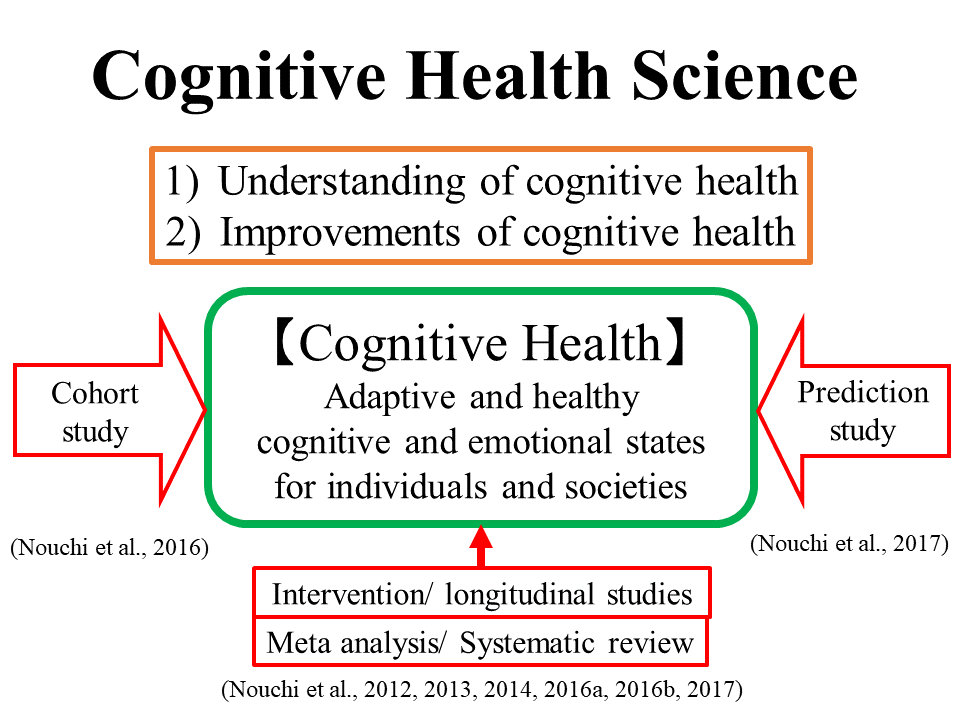
The Department of Cognitive Health Science was established in December 2018 with the aim to realize smart-aging and cognitive health for individuals and society as a whole. We coined the new phrase “Cognitive Health Science”, which is a combination of Cognitive Science and Health Science, to understand and improve Cognitive Health through multiple research methods such as: psychological experiments and questionnaires, brain imaging, daily intervention using randomized controlled trials, meta-analysis and so forth.
We believe that cognitive health (healthy and adaptive mental states, ie: cognitive and emotional states), to be almost as significant in the future as physical, social and mental health. Our activities are supported by the “Leading Initiative for Excellent Young Researchers (LEADER)” project of MEXT.
IDAC celebrates its 75th Anniversary

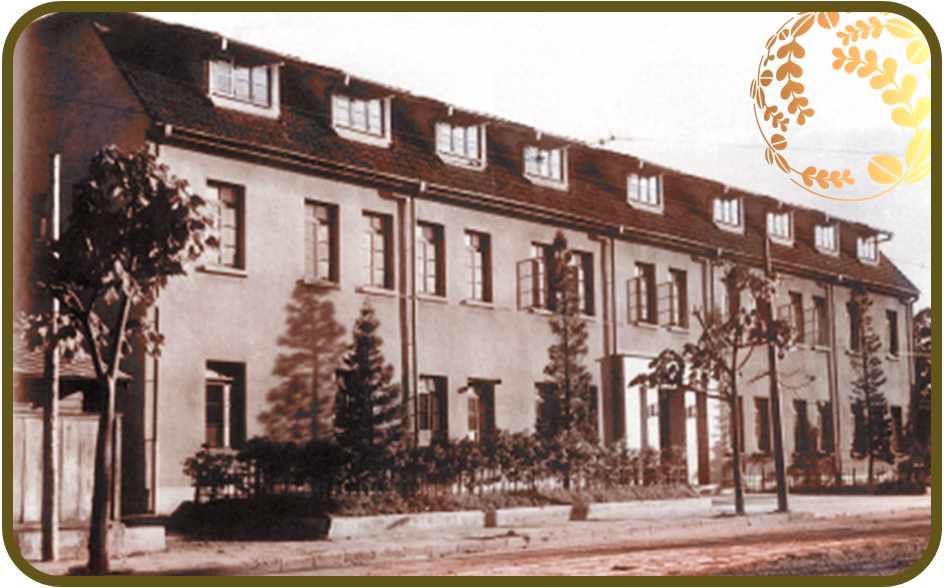
IDAC, founded in 1941, was formerly known as “the Research Institute for Tuberculosis and Leprosy”, with the purpose of promoting fundamental and applied medical sciences related to the prophylaxis and treatment of diseases caused by acid-fast bacilli. The structure pictured above was the first building of this institute.
Since IDAC’s establishment, the founding fathers firmly believed in the “non-sectionalism” way of thinking to promote collaborations domestically as well as internationally. The institute has always been considered to be “ahead of it’s time” with worldwide collaborations that included the Institut Pasteur de Lille (France), home to the inventor of the BCG vaccine to fight Tuberculosis in the 1950’s.
The need to further innovate the institute became apparent as Japan’s demographics shifted to an aging population. As a result, in 1993, the establishment was renamed “the Institute of Development, Aging and Cancer” and is often abbreviated as IDAC. In 2009, the Ministry of Education, Culture, Sports and Science (MEXT) officially recognized IDAC as a Research Center for Aging and Cancer in Japan. As of 2016, the institute has eight divisions with twenty-four departments, all collaborating together to find ways to maintain a healthy aging society.
IDAC’s ultimate goal is the realization of “smart-aging”, which refers to the development and maturation of individual abilities as one gets older, where everyone can welcome old age with liveliness and continue to be an active part of society. To make this possible, the institute’s goal is to provide medical support and policies, as well as becoming a leading research center by showing the world that IDAC can effectively manage a super-aging society. This approach is called “SMART-AGING”.
To commemorate IDAC’s 75th year anniversary and to highlight another great milestone in the institutes legacy, Dr. Ryuta Kawashima (the current Director), established a new logo to reflect the solid ideologies of the institute. The logo represents a sundial, which not only symbolizes the passing of time, but reminds us that time constantly moves forward. Thus, IDAC will continue to look forward into the future of world-class research and achievements.
CLICK HERE to watch IDAC’s 75th Anniversary video:

IDAC gets a visit from the Vice President of Taiwan’s National Chung Cheng University
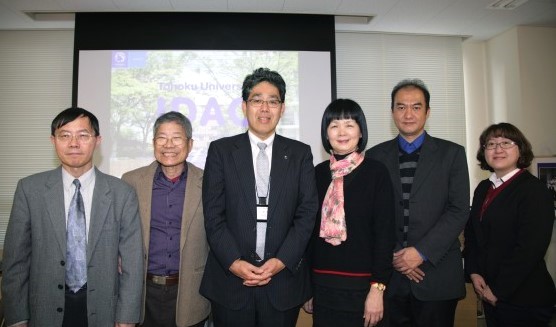
On December 7th 2016, IDAC welcomed Deputy Vice-President Hao Feng-Ming of Taiwan’s National Chung Cheng University and his colleagues to the institute. The purpose of the visit was to discuss future academic collaboration and research.
Symposium: Frontiers in Aging Research Toward Healthy Longevity
Frontiers in Aging Research Toward Healthy Longevity Symposium will be held on November 17th (Thursday), 2016 at the Marunouchi MY PLAZA, Meiji Yasuda Life Insurance Building, 2-1-1 Marunouchi, Chiyoda-ku, Tokyo. Reception begins at 9:00am, and the symposium will last from 10:00am to 6:00pm. Participation is free-of-charge; however, pre-registration is needed by emailing “aging-suishin@riken.com”. For further details, please click on the following links:
IDAC Seminar: December 15, 2016
| Secretariat, Alumni Association, IDAC | |
| Date | Thursday, December 15, 2016 (18:30 – onwards) |
|---|---|
| Room | 7th Floor, Seminar Room 1, IDAC Center for Basic Aging Research |
| Title | Introduction for Clinical Research: Basic Concept of the Rule and Guidelines for Approval |
| Speaker | Takano Tadao, MD |
| Affiliation | Clinical Research, Innovation and Education Center, Tohoku University Hospital |
| Organizer | Yoshinori Okada (Department of Thoracic Surgery・ext 8520) |
| Organizer | Tetsu Sado (Department of Thoracic Surgery・ext 8526) |
| Abstract | The purpose of a clinical trial is to ensure that human dignity and rights are to be protected, and that medical and health research involving human subjects are promoted appropriately through rules and procedures. To all those concerned with this type of research must do so in accordance with new guidelines, such as “Ensuring scientific validity”, “Comprehensive assessment of the burdens on research subjects and predicted risks and benefits”, “Adequate prior explanation and voluntary informed consent” and “Protection of personal information”. In this seminar, I would like to discuss both the basic concept of the new guidelines and the important points in terms of the approval standards by the ethics committee. |
IDAC Seminar: November 11, 2016
| Secretariat, Alumni Association, IDAC | |
| Date | Friday, November 11th, 2016 (16:00 – 17:00) |
|---|---|
| Room | 7th Floor, Seminar Room 1, IDAC Center for Basic Aging Research |
| Title | How cells maintain the critical balance between diversity and stability during replication? |
| Speaker | Robert Fuchs |
| Affiliation | CNRS, UMR 7258, Marseille (France) |
| Organizer | Akira Yasui (IDAC Fellow・ext 8465) |
| Abstract | Lesion tolerance pathways allow cells to perform genome duplication despite the presence of replication-blocking lesions found in DNA. Following transient fork stalling, replication resumes downstream, leaving gaps in the daughter strand opposite of the lesions. The existence and repair of these gaps have been know for decades and is commonly referred to as “post-replicative repair”. This presentation analyses the crosstalk between pathways involved in the repair of these gaps. A key repair intermediate is formed when RecA protein binds to these gaps, forming ssDNA.RecA filaments, turning on the so-called SOS signal. Gaps are either “repaired” by Translesion Synthesis (TLS), which is a process involving the transient recruitment of a specialized DNA polymerase that copies across the lesion with an intrinsic risk of fixing a mutation or by Damage Avoidance, an error-free pathway that involves homologous recombination with the sister chromatid (Homology Directed Gap Repair: HDGR). We have developed a methodology that allows the monitoring of partition between TLS and HDGR in the context of a single replication-blocking lesion present in the E. coli chromosome (Fuchs 2016). Furthermore, our data shows a chronological involvement of lesion tolerance pathways and TLS acting first, followed by HDGR. Compared to HDGR, TLS represents a minor component of lesion tolerance which owes itself to the generally poor enzymatic activity of the specialized DNA polymerases and to their controlled level of expression. Chronology is achieved in view of the fact that the TLS substrate, i.e. the ssDNA.RecA filament, persists for only a limited amount of time before the RecA filament engages into an early recombination intermediates (D-loop) with the sister chromatid (Naiman et al. 2016). Time-based competition between TLS and HDGR is thus set by mere sequestration of the TLS substrates into early recombination intermediates. |
IDAC Seminar: November 7, 2016
| Secretariat, Alumni Association, IDAC | |
| Date | Monday, November 7th, 2016 (16:00 – onward) |
|---|---|
| Room | Smart Aging Research Building International Conference Room |
| Title | Challenges to Establishing Tissue Stem Cell-based Regenerative Medicine |
| Speaker | Masanori Miyanishi |
| Affiliation | Stanford University School of Medicine |
| Organizer | Yasuyuki Taki (Department of Nuclear Medicine and Radiology・ext 8556) |
| Abstract | In our fast approaching super-aging society, it would be prudent for us to prepare for an acceleration in detrimental age-related diseases. Regenerative medicine has the potential to significantly mitigate this by providing solutions to prevent or even cure these diseases. Amongst the various options to establish novel regenerative treatments, tissue stem cells have a huge potential to achieve this due to their distinct characteristics of self-renewal and multipotency. Within the group of tissue stem cells, the hematopoietic stem cell (HSC) is arguably the most applicable and versatile due to their ability to address diseases by utilizing their characteristics as blood and immune cells. However, their safe and stable clinical application has not been fully realized due in part to our incomplete understanding regarding HSC biology including purification of HSCs. To address this issue, through unbiased multi-step screening, we recently succeeded in identifying a single gene expressed exclusively in mouse HSCs and established a mouse reporter system to specifically label this critical fraction (Nature, 2016). With this, we now plan to understand the molecular mechanisms of HSC self-renewal and multipotency and establish a novel platform to treat age-related diseases utilizing this pure HSC isolation technique. This seminar will also include my PhD thesis as well as my future directions. |
IDAC Seminar: November 4, 2016
| Secretariat, Alumni Association, IDAC | |
| Date | Friday, November 4th, 2016 (17:00 – onward) |
|---|---|
| Room | 7th Floor, Seminar Room 1, IDAC Center for Basic Aging Research |
| Title | Chromosomal instability by the destabilization of the ICS network |
| Speaker | Yuji Tanno, Ph.D. |
| Affiliation | Laboratory of Chromosome Dynamics, IMCB, The University of Tokyo |
| Organizer | Kenji Iemura (Department of Molecular Oncology・ext.8490) |
| Abstract | The inner centromere-shugoshin network (ICS network) establishes functional inner centromere in mitosis, which plays a crucial role in faithful chromosome segregation through maintaining sister chromatid cohesion and promoting bi-orientation of kinetochore-microtubule attachment. Chromosomal instability (CIN) is a major trait of cancer cells and it is a potent driver of tumor progression. Recently, we reported that a number of the CIN+ human cell lines exhibit the destabilization of the ICS network (Y. Tanno et al. 2015, Science). In this seminar, we would like to discuss the mechanism of the establishment of inner centromere and the molecular basis of its destabilization. |
2nd Global Discussion on IDAC Research

Lecturer: Akira Yasui
Title: “Curiosity and Smart Aging”
September 29th, 2016 from 16:30 to 17:10 at the Global Room
Curiosity is an ability of human beings to help understand the world and beyond. Most importantly, curiosity is “individual” and deepens with aging, suggesting its role in “Smart Aging”. Furthermore, English learning, aging research and religion will be discussed as well.
Click on the link below for further details:
Announcement: 2nd Global Discussion
1st Global Discussion on IDAC Research
Lecturer: Motoaki Sugiura
Title: “Self in the Brain”
August 23rd, 2016 from 16:30 to 17:10 at the Global Room
What is the ‘self’ in the brain? Three categories of self are proposed based on neuroimaging findings. Despite differences in the underlying cognitive processes and neural substrates, the three selves are likely to share common computational characteristics.
Click on the link below for further details:
Announcement: 1st Global Discussion
IDAC Seminar: August 26, 2016
| Secretariat, Alumni Association, IDAC | |
| Date | Friday, August 26th, 2016 (17:00 – onward) |
|---|---|
| Room | 7th Floor, Seminar Room 1, IDAC Center for Basic Aging Research |
| Title | The Proteasome: Destruction for Life |
| Speaker | Shigeo MURATA |
| Affiliation | Laboratory of Protein Metabolism, Graduate School of Pharmaceutical Sciences, The University of Tokyo |
| Organizer | Hiroki SEKINE, Dept. of Gene Expression Regulation (ext: 8553) |
| Abstract | The proteasome is an essential intracellular proteolytic enzyme complex that degrades ubiquitinated proteins in eukaryotes. Increase or decrease in the proteasome activity has been shown to be associated with the pathogenesis of human diseases such as malignancies, inflammation, neurodegeneration and aging. Thus, understanding the mechanisms that regulate the proteasome in mammals is of great importance. In this seminar, I will present our most recent findings regarding qualitative and quantitative regulation of the proteasome and their biological consequence. |
Yasuhisa Matsui: “Selective de-repression of germ cell-specific genes in mouse embryonic fibroblasts in a permissive epigenetic environment.”

“Selective de-repression of germ cell-specific genes in mouse embryonic fibroblasts in a permissive epigenetic environment.”
Professor Yasuhisa Matsui of IDAC’s Cell Resource Center and the research group of graduate student Seki Nakaho developed a new cell culture method to understand epigenetic mechanisms that underlie germ cell characteristics.
To accomplish this, we attempted to use defined epigenetic factors to directly convert mouse embryonic fibroblasts (MEFs) into germ cells. Here, we successfully induced germ cell-specific genes by inhibiting repressive epigenetic modifications via RNAi or small-molecule compounds.
These results suggested that a permissive epigenetic environment resulted in selective de-repression of stimulus and differentiation-inducible genes including germ cell-specific genes in MEFs. This study was also done in collaboration with Keio University.
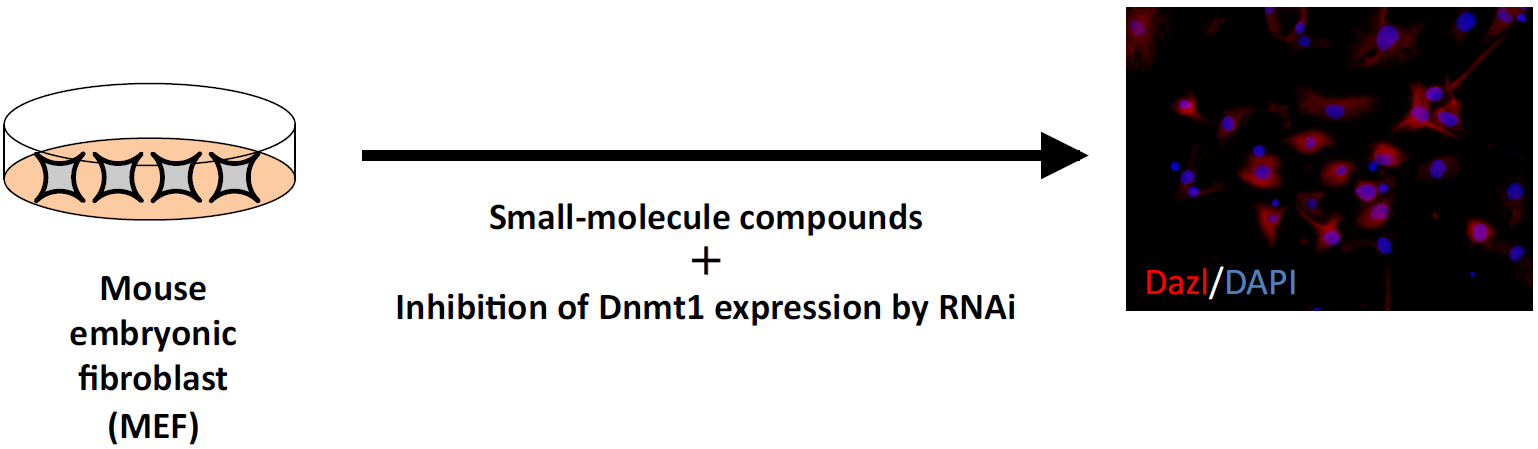
The method for alteration of a gene expression profile of MEFs towards that of germ cells in culture (above).
We have succeeded in altering a gene expression profile of mouse embryonic fibroblasts (MEFs) to that of germ cells in culture by addition of small-molecule compounds inhibiting repressive histone modifications and by inhibition of Dnmt1 expression by RNAi. Red: germ cell maker (Dazl), Blue: nucleus maker (DAPI). Sekinaka,T., Hayashi, Y., Noce, T., Niwa, H., Matsui, Y. Selective de-repression of germ cell-specific genes in mouse embryonic fibroblasts in a permissive epigenetic environment. Scientific Reports 6:32932 (2016). DOI: 10.1038/srep32932.
Yasuhisa Matsui
Professor, IDAC
Aging Cell Resource Center
Parking Space for Visitors/Staff/Faculty
To all IDAC visitors/staff/faculty, please note that parking space will be limited starting June 1 to the end of February 2017 as construction of two new building will begin. Please give special consideration for on-site construction vehicles.
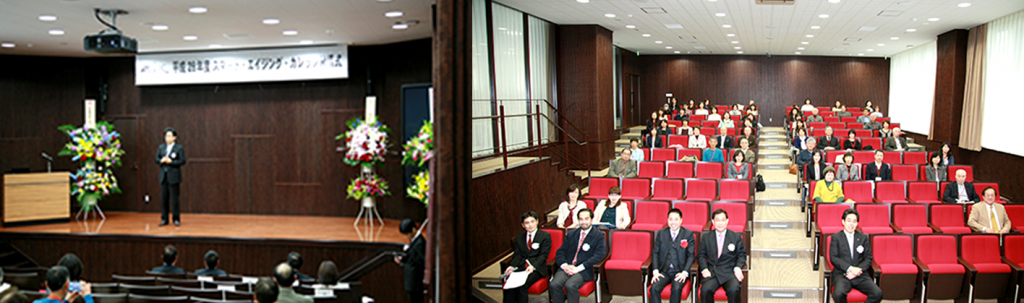
Smart Aging College Opening Ceremony

The Opening Ceremony for the 2016 Smart Aging College was held today at the SAIRC building to welcome all new members to the institute. This is the fifth year since the Smart Aging College was established, and every year, the number of successful candidates entering the program have been increasing. According to Director Ryuta Kawashima, “this was a great ceremony, the venue was absolutely stunning, and all the new members were highly motivated and thrilled to be part of this institute”.
August 2, 2016: Taking autistic perspective: Empathy and moral judgments in autism spectrum disorders
| Secretariat, Alumni Association, IDAC | |
| Date | Tuesday, August the 2nd, 2016 (17:00 – onward) |
|---|---|
| Room | 1st Floor IDAC Center for Clinical Aging Research |
| Title | Taking autistic perspective: Empathy and moral judgments in autism spectrum disorders |
| Speaker | Hidetsugu Komeda |
| Affiliation | The Hakubi Center for Advanced Research, Kyoto University |
| Organizer | Yasuyuki Taki (Department of Nuclear Medicine and Radiology) Contact: Mitsunari Abe (Department of Nuclear Medicine and Radiology, Ext. 8559) |
| Abstract | Autism spectrum disorders are neurodevelopmental disorders, diagnosed as social communication difficulties and stereotypical behaviors or insistence on the sameness (American Psychiatric Association, 2013). “Autism” originates from the Greek word “autós” (which means “self”), and individuals with autism spectrum disorders (ASD) are thought to represent atypical self-awareness and to experience difficulties understanding other minds based on altered self-awareness. Firstly, I will describe our neuroimaging study on perspective taking, which is the ability to perceive another person’s perspective. Secondly, I will introduce our neuroimaging study on empathic responses by individuals with ASD. Finally, I will present our recent behavioral studies on moral judgments in early adolescence with ASD. Based on those findings, I would like to discuss the importance on taking an “autistic” perspective. |
Public Announcement for the 2016 Joint Research Program at IDAC

We are currently accepting applications to the Joint Research Program at the Institute of Development, Aging and Cancer (IDAC), Tohoku University. All those interested, please apply immediately.
For further details:
Application Procedures for Joint Research Program
Applications for 2016 (Word File)
Applications for 2016(Excel File)
The Institute of Development, Aging and Cancer (IDAC)
Tohoku University
Research Promotion Office
TEL: +(81) 022-717-8445