
| Director, Professor | Yasuyuki TAKI |
| Senior Assistant Professor | Kentaro OBA |
| Assistant Professor | Toshimi OGAWA |
| Assistant Professor | Yegang DU |
| Assistant Professor | Keishi SOGA |
| Assistant Professor | Takumi KAWAMURA |
| Assistant Professor | Makiko MIYASAKA |
| Assistant Professor | Ryuichi KASAHARA |
| Assistant Professor | Noriki YAMAYA |
| Assistant Professor | Yoshie NAKAJIMA |
| Assistant Professor | Shingo HAYASHI |

“From Childhood Brain Development to Healthy Aging: Science-to-Society Translation of the ‘Lifelong Healthy Brain’ Through Global Collaboration”
The Smart-Aging Center is a comprehensive research hub dedicated to quantitatively elucidating lifelong brain health — from healthy pediatric brain development to dementia prevention in later life — built upon a database of tens of thousands of brain MRI scans (Figure 1).
What sets our center apart is a commitment that goes far beyond image-based basic medical research: we place “social implementation through industry-government-academia-civil collaboration” at the very core of our activities. To address the challenges of Japan’s super-aging society, we advance multifaceted lifestyle intervention studies rooted in people’s everyday lives, supported by strong joint research frameworks with cross-sector industries spanning food, mobility, and healthcare. Our evidence base continues to grow, encompassing studies on the effects of exercise habits, safe driving practices, and dietary factors on the brain, as well as long-term intervention research utilizing IoT devices, and randomized trials demonstrating the cognitive and psychological benefits of group music sessions and digital art learning in older adults. In particular, the Nostalgia x Generative AI Dementia Risk Reduction Project utilizes AI-powered image processing to recreate past three-dimensional spaces from historical aerial photographs and news images, developing a nationwide digital platform for past three-dimensional spaces (Figure 2).
We are also advancing the development of highly precise “Aging Clock” algorithms — using cutting-edge analysis of biometric data to elucidate the relationship between cardiorespiratory fitness and biological aging, and to predict each individual’s true biological age. Our research is conducted through broad and diverse partnerships, including industry-academia-government collaboration with companies and municipalities, as well as international joint research with universities and institutions worldwide (Figure 3).
Furthermore, backed by funding from Google.org, we have launched an innovative project that uses generative AI to reconstruct historical three-dimensional environments, with the aim of scientifically validating the cognitive and psychological effects of “nostalgia experiences.” Guided by our ultimate philosophy of “Smart Aging” — a vision in which aging is embraced not as decline, but as a time of rich and meaningful growth — we are committed to returning personalized “Lifelong Healthy Brain” strategies to the foundations of society, and to contributing to a future in which everyone can experience genuine well-being.
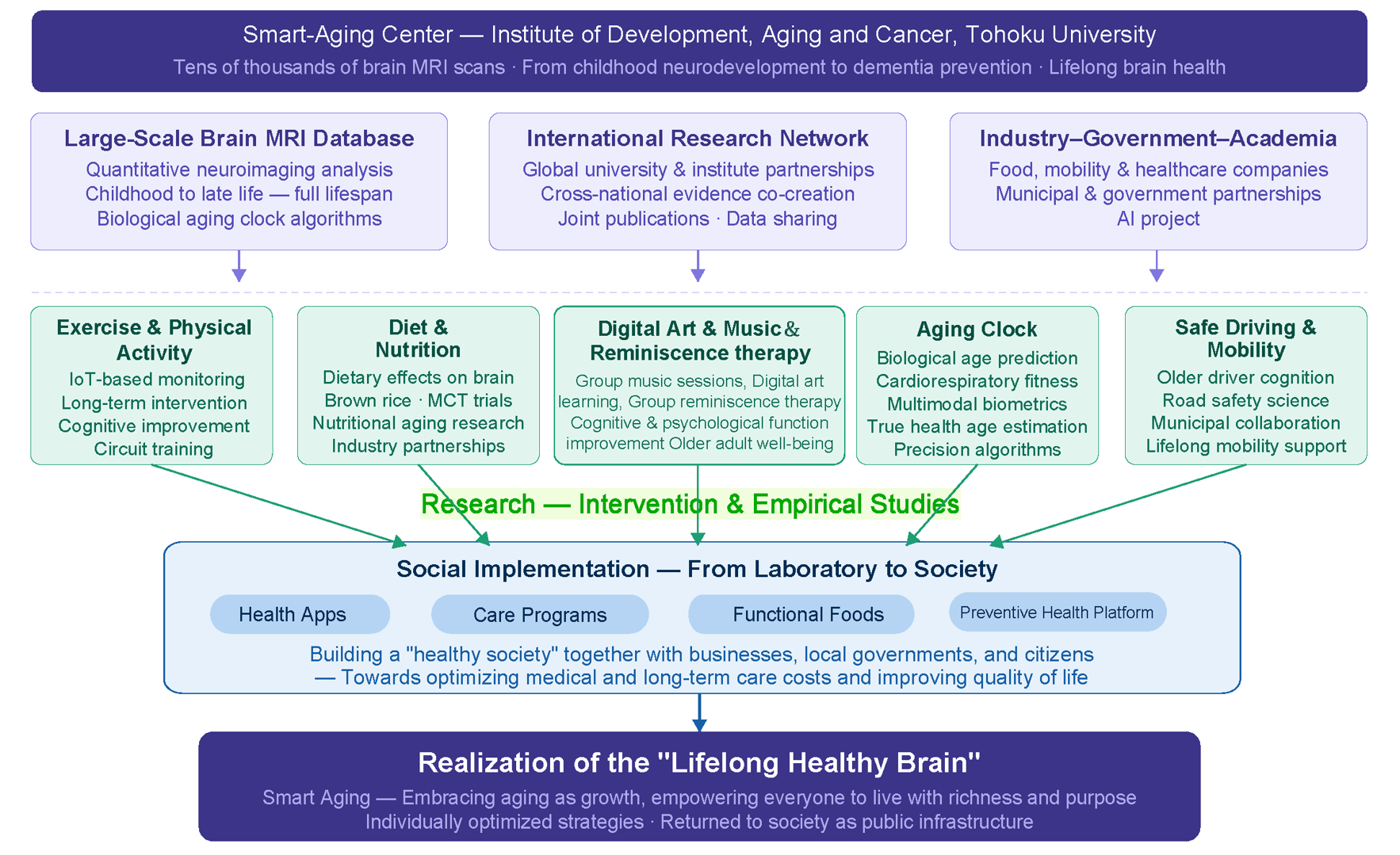
Figure 1 Caption: Overview of Research Activities at the Smart-Aging Center
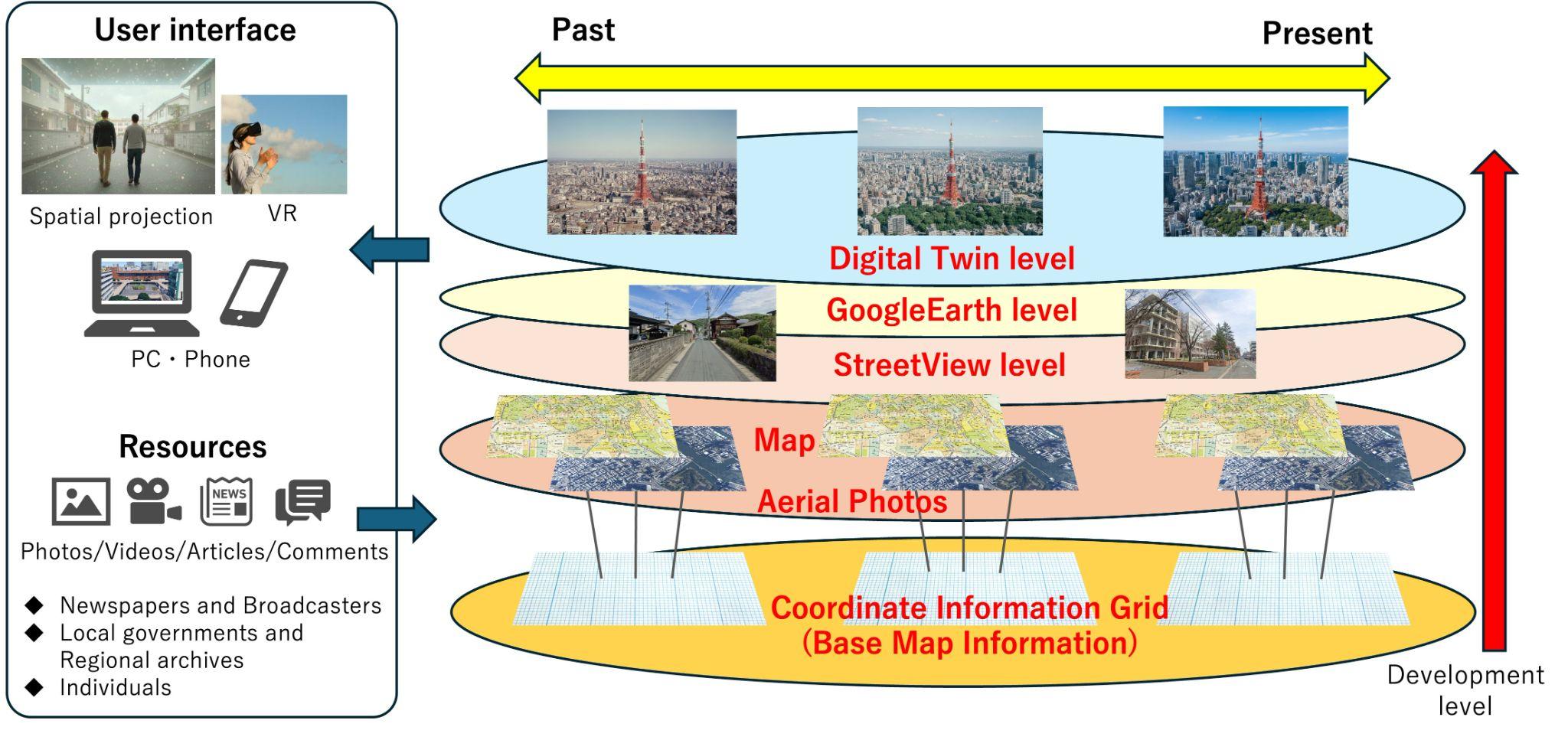
Figure 2 Caption: Nostalgia-Driven Dementia Care with Generative AI
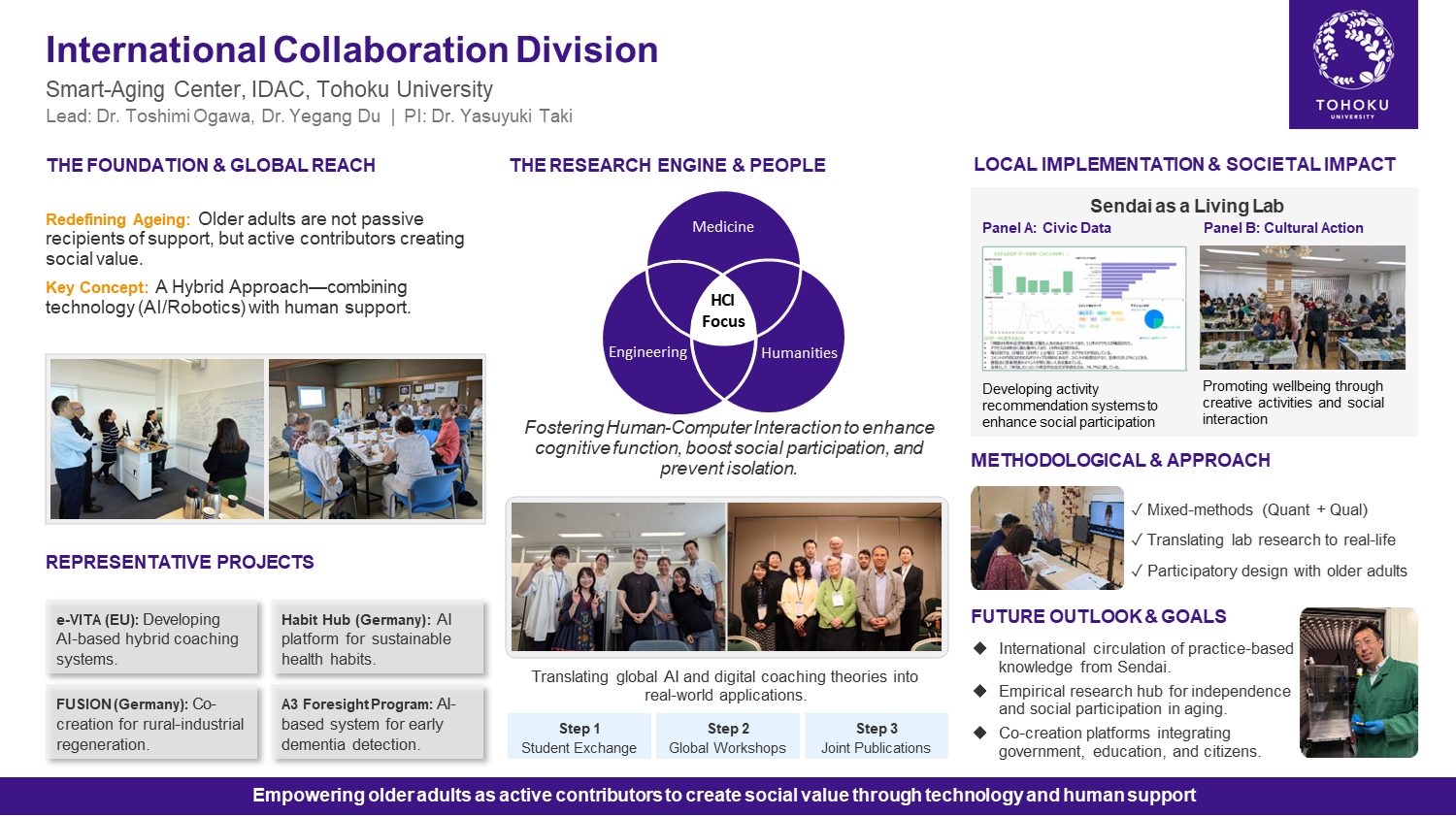
Figure 3 Caption: International Collaboration Division
Research Topics
・Foundational and Applied Research Using Large-Scale Neuroimaging — Leveraging a database of tens of thousands of MRI scans to quantitatively elucidate brain health across the full lifespan, from pediatric neurodevelopment to dementia prevention in later life.
・Multifaceted Lifestyle Intervention Research Grounded in Daily Life — Conducting randomized controlled trials to examine the effects of exercise, dietary factors, digital art learning, music sessions, and nostalgia experiences on brain health and cognitive function.
・Development of Highly Precise “Aging Clocks” (Biological Age Metrics)— Building advanced algorithms that leverage neuroimaging and multimodal biometric data to accurately predict each individual’s true biological age, independent of chronological age.
・Social Implementation Through Industry-Government-Academia-Civil Collaboration — Translating research findings into real-world services and products through joint research partnerships with companies in the food, mobility, and healthcare sectors, as well as with local governments and municipalities.
・Global Evidence Generation Through an International Research Network — Collaborating with universities and research institutions worldwide, with the ultimate goal of realizing “Smart Aging” — a society in which everyone can age with richness and fulfillment — and achieving the “Lifelong Healthy Brain” through individually optimized strategies.
Selected Publications
1. Shinada, T., Takahashi, M., Uno, A., Soga, K., & Taki, Y. (2025). Effects of group music sessions on cognitive and psychological functions in healthy older adults. Frontiers in Aging, 6, 1513359. https://doi.org/10.3389/fragi.2025.1513359
2. Uno, A., Browne, R., Shinada, T., Takahashi, M., Soga, K., Du, Abiko., Taki, Y. (2025). Effects of a digital visual art learning intervention in healthy older adults: a pilot randomized controlled trial. Frontiers in Aging, 6, 1635789. https://doi.org/10.3389/fragi.2025.1635789
3. Soga, K,, Takahashi, M., Uno, A., Sinada, T., Oba, K., Kawashima, K., Tatewaki, Y., Nakase & T., Taki, Y (2025). Circuit training intervention for cognitive function, gut microbiota, and aging control: study protocol for a longitudinal, open-label randomized controlled trial. Trials, 26, 94. https://doi.org/10.1186/s13063-025-08807-9
4. Soga, K., Higuchi, A., Tomita, N. et al. (2025). Beneficial Effects of a 26-Week Exercise Intervention Using IoT Devices on Cognitive Function and Health Indicators. Journal of Science in Sport and Exercise, 7, 238-249. https://doi.org/10.1007/s42978-024-00321-9
Research Interests
Lifelong Healthy Brain, Lifestyle Intervention Research, Industry-Academia-Government, Collaboration and Social Implementation, Smart Aging